France: 750,000 elderly people trapped in loneliness
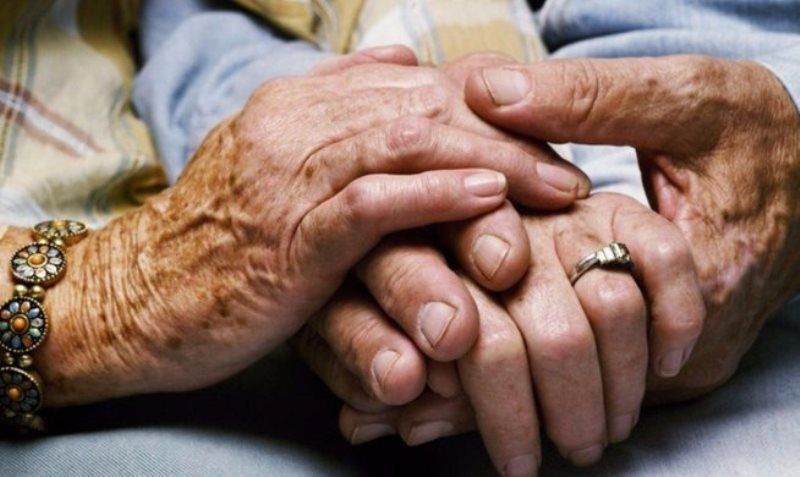
A shocking 150% increase in extreme social isolation has been recorded in France over the past eight years, according to the association “Les Petits Frères des Pauvres” (Little Brothers of the Poor).
These 750,000 people — representing 4% of France’s 18 million citizens aged over 60 — live without any contact with family, friends, neighbors, or associations, according to a study by the CSA Institute conducted in April for the organization. Since 2017, the study has been measuring the isolation of elderly people every four years, focusing on these four types of social connections.
The number of elderly people living in what the report calls “social death” has risen by 42% compared to 2021, the year of the Covid pandemic. Back in 2017, the number stood at 300,000.
“I never married or had children. I spent most of my life caring for my parents, and when they passed away, I found myself completely alone,” says 83-year-old Michelle S., a former corporate training manager, who admits she has found solace in alcohol.
Her social life now consists of an occasional chat with a friend living in the countryside and a monthly walk with a neighboring couple.
77-year-old Daniel L. fell into deep loneliness after losing his wife in 2021.
“Neither my sister nor I have children. Most of my friends are ill or have passed away,” says the former food industry chemist.
The report attributes this surge in isolation to an aging population and the breakdown of social bonds during the Covid crisis. Many of the most vulnerable never managed to rebuild their routines afterward.
Nearly 1.5 million elderly people now say they rarely or never see their children or grandchildren, compared to 470,000 in 2017. In addition, 3.2 million seniors have no children or grandchildren at all.
The suicide rate among those aged 85–94 reached 35.2 per 100,000 in 2022 — twice as high as the national average.
The association points to several risk factors that can lead to this state of “social death”: the absence of close family, inability to use the internet, low income, and loss of autonomy.
(Source: APE-MPE – Athens–Macedonian News Agency)