Europe tightens scrutiny of asylum and migrant integration

European countries are facing renewed scrutiny over how they accommodate and integrate migrants, with the Netherlands warning about conditions for asylum-seeking children and Italy preparing new rules for foreign students with limited Italian-language skills.
Dutch asylum shelters face safety concerns
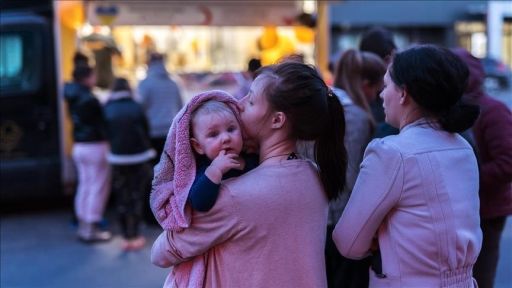
Around 7,000 asylum-seeking children living in emergency accommodation across the Netherlands are experiencing what the Dutch Safety Board described as "structural neglect," according to an investigation conducted over more than two years.
The board said children are being exposed to unsafe conditions, including risks of physical and sexual violence, abuse and inappropriate behavior. Some facilities also lack adequate privacy and sanitary conditions.
Emergency shelters, introduced as a temporary response to shortages in regular asylum centers, now account for about 60% of asylum reception locations. They include converted offices, ships, event halls and container housing.
Safety Board chairman Chris van Dam said the Netherlands had fallen below minimum standards for protecting children.
Repeated relocations disrupt children's lives
The investigation found that some children had been moved between facilities as many as 10 times over relatively short periods.
The board said repeated relocations disrupt education and deprive children of stability, while a lack of privacy and autonomy can contribute to stress, helplessness and constant alertness.
It also reported cases of self-harm and suicidal behavior among some unaccompanied minors.
The board called on Asylum and Migration Minister Bart van den Brink to improve conditions within six months, describing the continued insecurity as a systemic problem.
Van den Brink was expected to respond to the findings later Monday.
Italy plans limits for students needing language support
In Italy, the government of Premier Giorgia Meloni is preparing a decree that would place limits on the number of non-EU students with little or no knowledge of Italian who can attend the same classroom.
The proposal would give legal force to a 2010 guideline recommending that foreign students make up no more than 30% of a class. The guideline has generally been difficult to enforce, particularly in areas with large immigrant populations.
Under the planned rules, schools would assess students' language skills and educational preparedness, with the restrictions focused on pupils requiring significant language assistance.
Educators warn of implementation problems
Critics say the policy could create barriers to integration and stigmatize immigrant communities.
School leaders have warned that schools in migrant-heavy areas may have few alternatives for placing students. Antonello Giannelli, head of Italy's National Association of School Principals, has said schools cannot simply refuse to admit children.
Education unions are calling instead for increased funding for language instruction, specialized teachers and cultural mediators.
Italy has about 930,000 foreign students, representing 11.6% of the country's school population. Nearly two-thirds were born in Italy, while about 323,000 were born abroad.
The concentration of immigrant communities in some urban areas and northern regions could make the proposed limits more difficult to implement, while legal experts have raised concerns about possible constitutional issues if students are required to attend schools far from their communities.
Government links immigration to integration
Meloni has defended the measures as part of a broader effort to strengthen integration.
She said people who come to Italy and want to build their future there should learn the Italian language, understand the country's culture and respect its rules.
The planned decree is also expected to require some foreign parents to attend Italian-language courses and prohibit the wearing of burqas and niqabs in schools.
The measures reflect a wider European debate over how governments should balance the protection of migrants and asylum seekers with demands for integration, public services and social cohesion.
Source:AA