EU proposes five-point plan to tackle mass arrivals

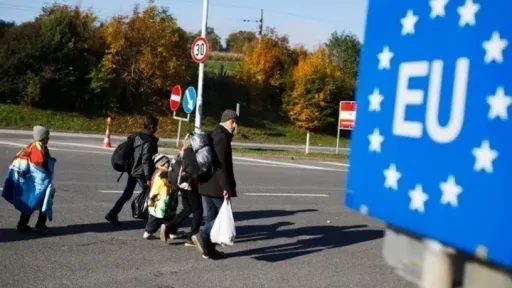
The European Commission has proposed a five-point plan to help the European Union prevent and respond to sudden, large-scale irregular arrivals at its external borders.
The proposal follows a surge in arrivals in Ceuta this summer, which the Commission said demonstrated how quickly a border emergency can develop. The move comes despite irregular border crossings across the EU being at their lowest level since 2021, according to the Commission.
The plan focuses on stronger cooperation with partner countries, reinforced external borders, improved early warning systems, action against migrant smuggling networks and more effective returns.
The Commission is proposing a new European Emergency Response Framework for situations in which large movements of people are deliberately “engineered and weaponised”.
It also plans to seek a stronger mandate for Frontex, the EU border agency, including personnel and equipment that could be deployed rapidly during emergencies. Frontex would also have a greater role in supporting returns.
The Commission wants to strengthen early warning capabilities by allowing Frontex to monitor social media in connection with external border management. Member states would also be urged to report border developments more quickly through the EU’s EUROSUR surveillance system.
The plan includes closer cooperation with online platforms and financial institutions to detect migrant-smuggling activity and illicit financial flows. The Commission is also urging the Council to adopt a proposed sanctions regime that would allow asset freezes and travel bans against migrant smugglers.
On returns, Brussels is calling for stronger cooperation with countries of origin and transit on readmission, alongside wider use of Frontex support.
“We will reinforce our foundation of strong external borders, effective migration diplomacy, the Pact on Migration and Asylum, and credible returns,” EU Migration Commissioner Magnus Brunner said.
The proposals are due to be presented to EU member states at the Justice and Home Affairs Council meeting on Oct. 1-2.
Source:AA