Ryanair to exit 13 airports, invests $200 million in Rimini
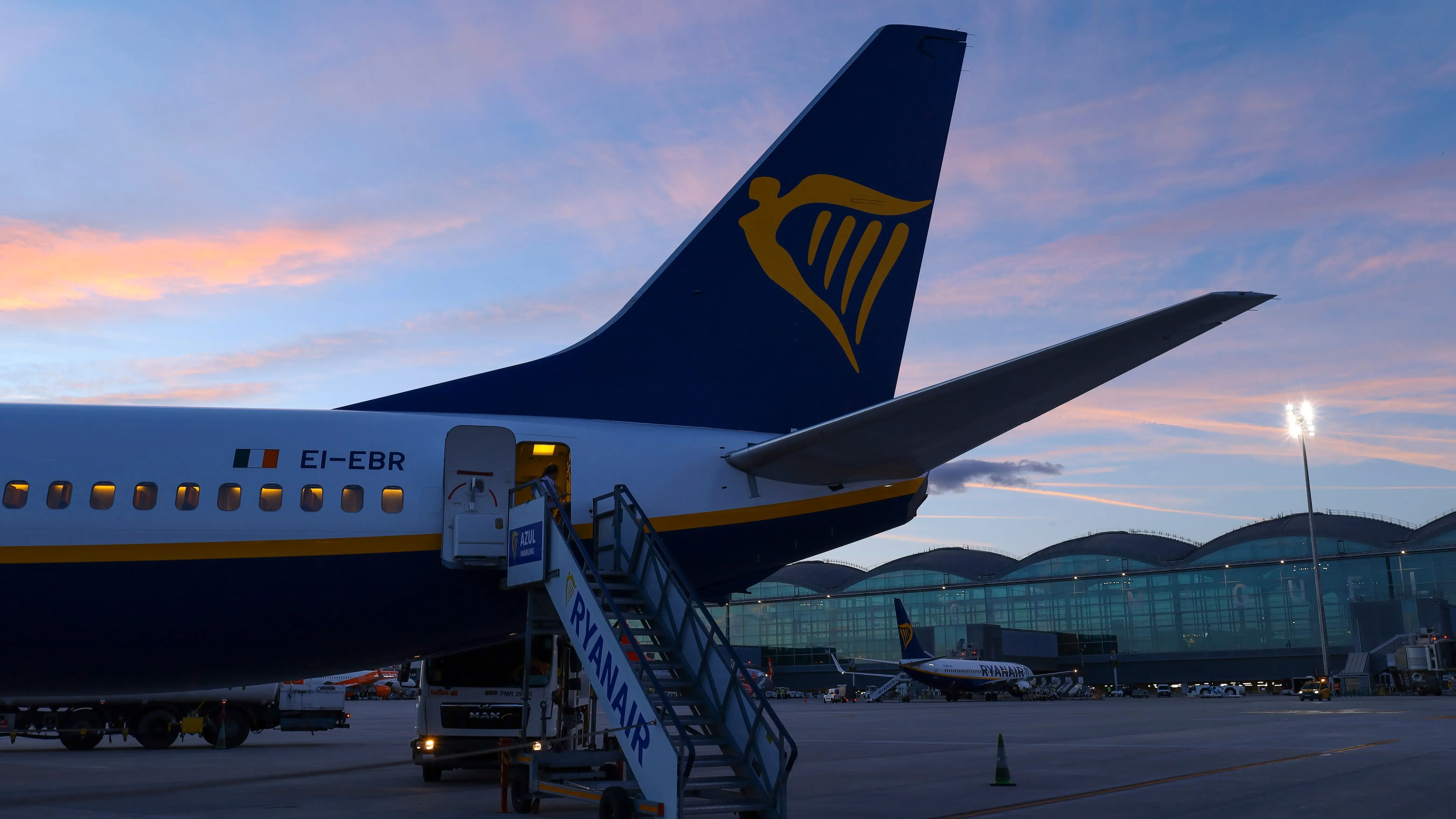
Irish low-cost carrier Ryanair is withdrawing from 13 airports across Europe and the Middle East, citing rising airport fees and operating costs, while planning a $200 million investment in a new operating base in Rimini, Italy, ahead of the summer 2027 season.
The airline’s network changes include the suspension of services to Kalamata and Volos in Greece, alongside destinations in Spain, France, Portugal, Turkiye, Jordan, Serbia and Germany.
The withdrawals began in January 2026 with Vigo in Spain and continued in March with Amman in Jordan, Asturias in Spain, Clermont-Ferrand in France, and Ponta Delgada and Terceira in Portugal’s Azores islands. Ryanair also suspended operations from Thessaloniki for the winter season in May and withdrew from Rodez in France in August.
In October, the airline ended services to Bodrum and Dalaman in Turkey, Kalamata and Volos in Greece, and Niš in Serbia. Bremen in Germany is scheduled to lose Ryanair services in March 2027.
New base planned in Rimini
While reducing its presence in several markets, Ryanair is preparing to expand in Italy, where it plans to invest $200 million in a new base at Rimini airport.
The planned summer 2027 operation will station two aircraft at the airport and provide more than 600,000 low-fare seats across 17 routes, including five new connections to Dublin, Memmingen, Stockholm, Tirana and Warsaw.
Ryanair plans to operate 114 weekly flights from Rimini, aiming to strengthen regional air links and support tourism.
The decision was reportedly influenced by local authorities’ move to abolish the municipal tax on air passengers, improving the airport’s appeal to the airline.
Germany faces further flight reductions
The expansion in Italy follows Ryanair’s announcement of substantial cuts in Germany, where the airline has cited high aviation taxes and operating expenses.
Berlin is expected to be among the hardest-hit locations, with the carrier planning to eliminate approximately half of its routes from the city.
The reductions form part of Ryanair’s wider effort to concentrate aircraft and capacity on routes it considers financially sustainable, while pressing airports and governments for more favourable operating conditions.
Rising costs pressure the aviation sector
Ryanair’s changes come amid broader pressure on the airline industry from higher operating expenses, including jet fuel costs.
According to an Italian media report, Lufthansa, British Airways, Air France and Turkish Airlines have also reduced planned capacity for the winter season compared with the 2025–2026 period.
Airlines are increasingly reviewing schedules, reducing services on less profitable routes and reallocating aircraft to markets where they expect stronger demand.
Passengers face fewer connections in some regions
The changes could leave travellers with fewer direct flights from affected airports, potentially requiring them to use alternative airports or connecting services.
Regions that depend heavily on low-cost carriers may also face challenges in maintaining affordable air links. By contrast, destinations offering more favourable operating conditions could attract additional flights and tourism investment.
Rimini’s planned expansion illustrates Ryanair’s contrasting strategy: reducing capacity at airports where costs are considered too high while increasing operations in markets where the airline sees opportunities for growth.
Source:tovima