Student protests spread across Europe over living costs

Student protests have spread across Europe, from France and Belgium to Albania, Greece, Spain and Italy, as young people mobilize against deteriorating school conditions, teacher shortages, rising education costs and a housing crisis that is making it increasingly difficult to study.
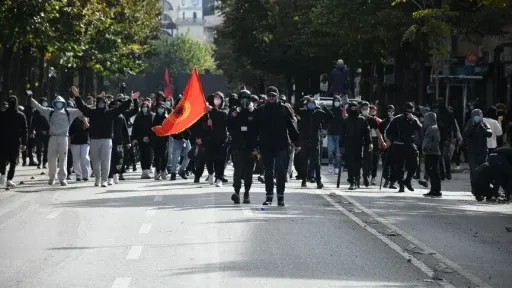
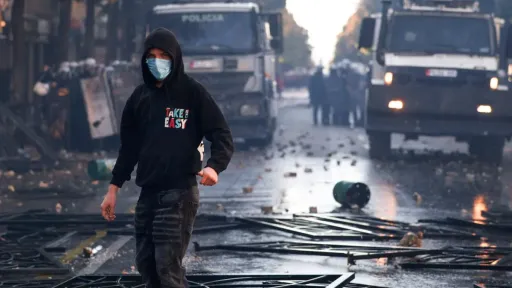
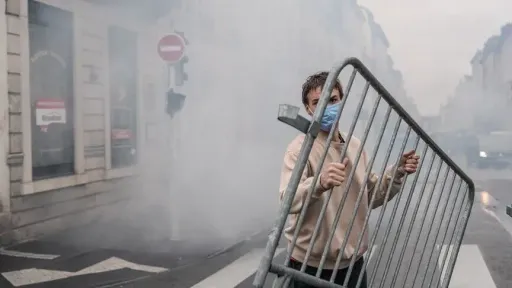
Demonstrations have included school occupations, mass marches and protest camps, with some escalating into clashes with police. Although the grievances vary by country, protesters share growing frustration over what they describe as a lack of investment in education, housing and opportunities for young people.
France at the center of unrest
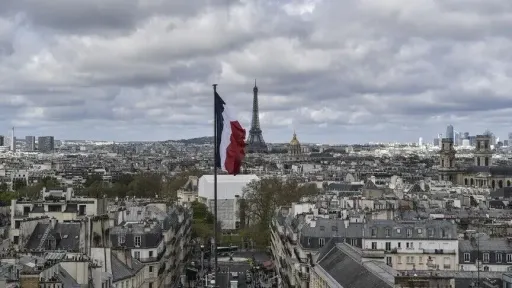
The demonstrations began in mid-to-late September, when students in the Paris region, particularly around Créteil, blockaded school entrances to protest missing teachers, overcrowded classrooms and deteriorating facilities.
Students have reported mold, broken toilets and classrooms reaching 40 degrees Celsius during heat waves. They have also criticized demanding schedules and Parcoursup, France’s university admissions platform, which they say adds stress and uncertainty to the transition to higher education.
The movement spread nationwide, disrupting hundreds of schools. At its peak, more than 200 high schools were reportedly fully closed, while others experienced partial closures or interrupted classes. University students also joined the demonstrations.
Turnout estimates differed sharply. On Oct. 13, France’s Interior Ministry counted at least 161,500 demonstrators, while unions estimated participation at nearly 480,000.
Climate activist Greta Thunberg joined protesters at a blockaded school in Saint-Denis, north of Paris, that day, arguing that young people were being denied a meaningful role in decisions affecting their futures.
Police conduct has become another point of contention. A teenager lost a hand in Lens, prompting authorities to suspend the use of stun grenades. Other reported injuries included eye damage and dental trauma, while complaints alleging police brutality were under investigation.
Reports citing Justice Ministry figures put the number of people taken into custody at between approximately 6,800 and 8,000, with minors accounting for around 85% to 86% of those detained.
Student unions are demanding an emergency school renovation program, large-scale teacher recruitment, improved schedules and greater student representation. They are also calling for major changes to Parcoursup or its abolition, as well as more school nurses, psychologists and career advisers.
Education Minister Édouard Geffray announced plans to deploy about 3,000 substitute teachers to the hardest-hit schools. Prime Minister Sébastien Lecornu promised a broader plan by the end of October, including consultations and adjustments to the 2027 budget, while pointing to financial constraints.
President Emmanuel Macron has called for patience and dialogue, but student leaders have dismissed the initial measures as insufficient and vowed to continue their protests.
Belgium and Spain target education cuts
In Belgium, demonstrations began in early October over tuition reforms, overcrowded classrooms and funding cuts. Some students face fees of up to €1,194 for the 2026-27 academic year.
Protests spread from Liège to Brussels and other cities, with arrests reported during disorderly demonstrations. Students also joined a nationwide union-led strike on Oct. 9 against austerity measures, which drew tens of thousands of participants. Isolated clashes near Brussels Central Station involved water cannon, tear gas and fires.
In Spain, an indefinite teachers’ strike began in the Madrid region on Oct. 14, bringing together educators, students and families under the Marea Verde, or Green Tide, movement.
Protesters are demanding increased public funding, smaller classes, higher salaries, reduced teaching hours and more specialized staff. Critics also accuse the regional government of promoting privatization at the expense of public education.
Housing crisis fuels anger in Greece
In Greece, students set up tents in Athens’ Syntagma Square opposite Parliament around Oct. 13 to protest soaring rents and insufficient public student housing.
Small apartments can cost €500 to €600 a month or more, placing accommodation beyond the budgets of many students.
Demonstrators are demanding rent controls, more student residences, increased housing subsidies and better education funding. School sit-ins have also increased amid complaints about teacher shortages and poor facilities.
The protests highlight the growing difficulty students face in covering basic living expenses while pursuing higher education, particularly in major cities where affordable accommodation is limited.
Albanian protests merge with wider political discontent
In Albania, complaints about university conditions, education costs and limited job prospects have merged with broader demonstrations against corruption and inequality.
The unrest has overlapped with the months-long Flamingo Revolution, which opposes a luxury coastal resort project linked to Jared Kushner.
Demonstrations in Tirana escalated into violence, with protesters attacking government buildings, banks and infrastructure. Police responded with tear gas, water cannon and batons. Reports described more than 100 arrests at peak points, as well as injuries and significant property damage.
Prime Minister Edi Rama has refused to resign, pledging to address legitimate concerns about education while condemning violence and defending his government’s drive toward European Union membership.
Italian students occupy schools
In Italy, students have occupied high schools in Turin and Rome, adopting slogans inspired by the French movement as they protest underfunding, deteriorating buildings and rising living costs.
Smaller demonstrations elsewhere reflect similar concerns, with students demanding better-maintained facilities and greater public investment in education.
A wider crisis of opportunity
The protests reflect mounting pressure on public education systems after years of financial constraints, recruitment difficulties and ageing infrastructure. Rising rents, energy bills and everyday expenses have further increased the cost of studying, leaving many young people struggling to secure both an education and affordable housing.
Beyond immediate demands, demonstrators are expressing frustration over future employment prospects and what they see as governments’ failure to remove barriers to education, work and independent living.
France’s demonstrations have drawn comparisons with the student unrest of May 1968, although the current movement focuses largely on practical demands involving school conditions, staffing and access to education.
Governments across the continent have offered targeted concessions and promised dialogue while citing budgetary limitations. However, reports of injuries, mass arrests and alleged police excesses have intensified scrutiny of authorities’ responses to youth-led dissent.
With protests continuing across several countries, the challenge for European governments is to address demands for better public services and affordable living conditions while navigating competing budgetary priorities.
Source:DailySabah