Extreme heat pushing global food systems to brink, UN agencies warn
Extreme heat is placing growing pressure on global food systems, threatening crops, livestock, fisheries, and the livelihoods of more than 1 billion people, according to a new report released Wednesday by the Food and Agriculture Organization (FAO) and the World Meteorological Organization (WMO).
The report said extreme heat currently causes around half a trillion work hours to be lost each year and warned that the damage to agricultural production is likely to worsen as temperatures continue to rise.
The agencies said the frequency, intensity, and duration of extreme heat events have increased sharply over the past 50 years, creating growing risks for food production and rural communities.
“This work highlights how extreme heat is a major risk multiplier, exerting mounting pressure on crops, livestock, fisheries, and forests, and on the communities and economies that depend upon them,” FAO Director-General Qu Dongyu said in the report.
WMO Secretary-General Celeste Saulo, for her part, said that extreme heat is "increasingly defining the conditions under which agrifood systems operate."
Crops, animals, workers under strain
The report said most livestock species begin suffering heat stress above 25 degrees Celsius (77 F), with chickens and pigs especially vulnerable because they cannot cool themselves by sweating.
For major crops, including wheat, potatoes, and barley, yields begin to decline above 30 degrees Celsius (86 F).
The report noted that fish also face major risks as hotter waters reduce oxygen levels and increase the likelihood of cardiac failure.
In 2024, 91% of the global ocean experienced at least one marine heatwave.
Extreme heat also poses serious dangers for agricultural workers. According to the report, some parts of South Asia, Sub-Saharan Africa, and Central and South America could face up to 250 days a year that are too hot to work safely.
Heat amplifies droughts, wildfires
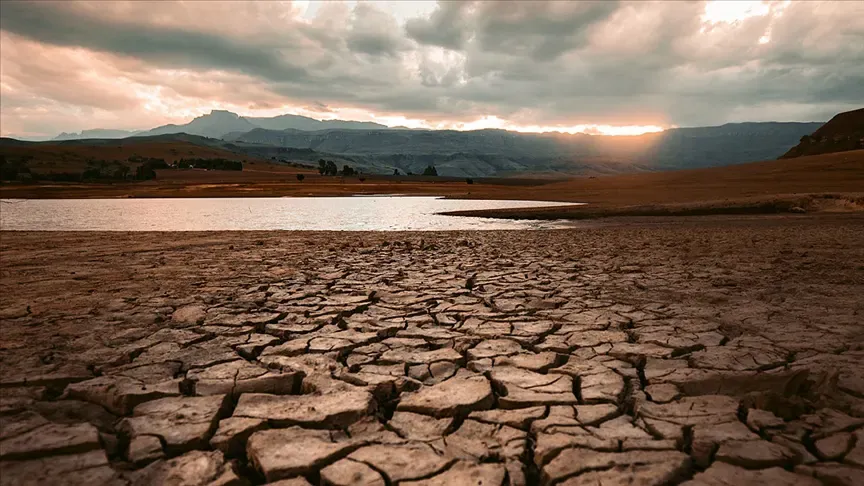
The report also warned that extreme heat acts as a “risk multiplier,” worsening droughts, wildfires, pests, and diseases.
It cited cases in countries including the US, Russia, Brazil, China, and Australia, where heat waves triggered flash droughts and major crop losses.
The agencies called for stronger early warning systems, climate-adapted farming practices, financial support, and international cooperation to help communities cope with rising temperatures.
"Protecting the future of agriculture and ensuring global food security will require not only building on-farm resilience but also exercising international solidarity and collective political will for risk sharing, and a decisive transition away from a high-emissions future," the report concluded.
AA