Primary sector in the Region of Eastern Macedonia and Thrace

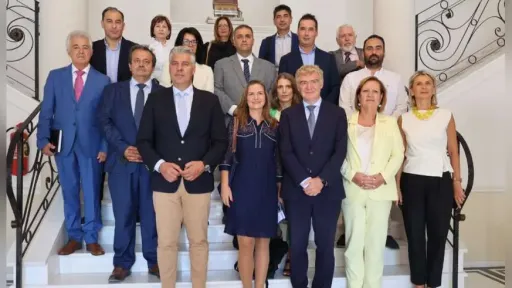
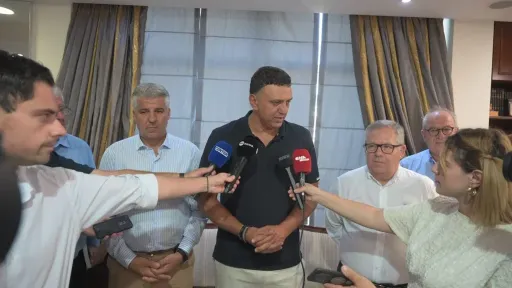
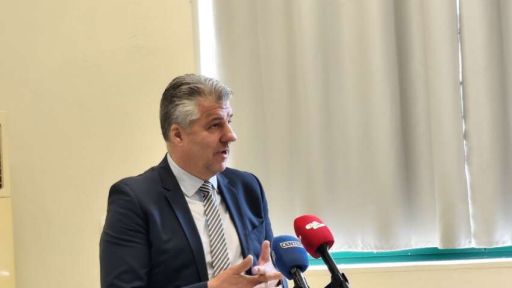
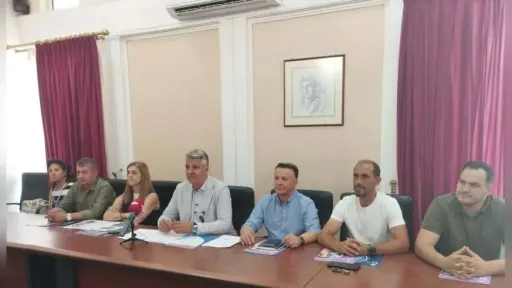
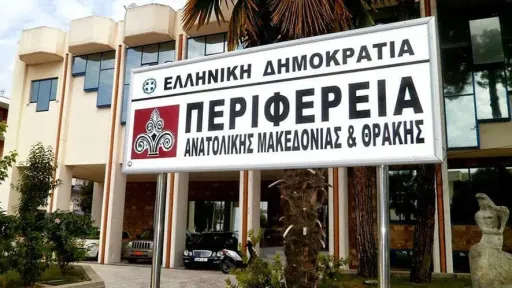
Deputy Minister of Rural Development and Food, Mr. Christos Kellas, was welcomed on Monday, July 28, 2025, by the Regional Governor of Eastern Macedonia and Thrace, Mr. Christodoulos Topsidis. During a series of meetings and visits across the regional units of Evros and Rhodope, critical issues affecting farmers, livestock breeders, and fishermen cooperative members in the lagoon areas were addressed, highlighting initiatives undertaken by the Ministry of Rural Development and Food (YPAAT) and the Eastern Macedonia and Thrace Region to support the primary sector.
Visit to the European Centre for Exotic Animal Diseases in Orestiada and Inspection of the TOEB Feres-Peplos Pumping Station
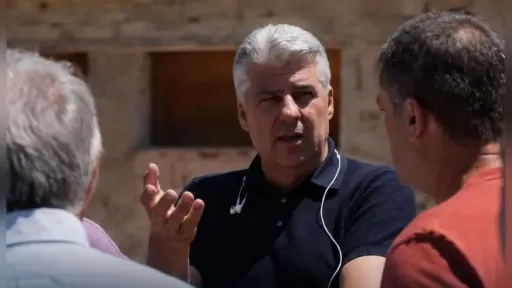
The Deputy Minister’s and Governor’s visits began in Peplos, Meriç, with an inspection of the TOEB Feres-Peplos irrigation pumping station. Governor Topsidis emphasized the significant infrastructure upgrade involving the modernization of the existing pumping station, along with the flagship project of undergrounding the irrigation network of the Petalo-Peplos area, which is expected to boost agricultural production. “We invest in agricultural infrastructure because we invest in the future of our Region,” stated Governor Topsidis during the inspection.
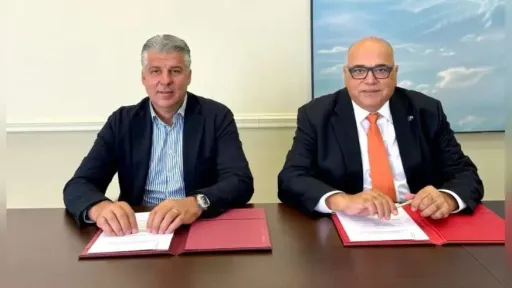
The visit continued at the European Centre for Exotic Animal Diseases in Orestiada, where both officials underlined the importance of early diagnosis of zoonotic disease risks in this critical border region, which serves as an entry point for animals from third countries. This measure aims to protect livestock, the primary sector, and the economy. The Centre will operate under a Memorandum of Cooperation and Programmatic Agreement signed on July 25, 2025, between the Ministry of Rural Development and Food, ELGO-DIMITRA, and the Eastern Macedonia and Thrace Region.
“Through our cooperation with the Region of EMT, we are upgrading the Centre to a European level. We must not forget that we are on the border of Europe and want to enhance biosafety, research, and support for our livestock industry,” Deputy Minister Kellas said. Governor Topsidis thanked the Ministry leadership and stressed that strong cooperation among agencies will yield positive results. He also informed about staffing the Centre with scientific personnel responsible for developing targeted and effective prevention and response programs against zoonotic threats.
Temporary Agreement Signed for the Management of Ardas River Waters
On the sidelines of meetings in Evros, Governor Topsidis announced a major development: the signing of a temporary agreement between the Eastern Macedonia and Thrace Region and the Bulgarian energy company NATSIONALNA ELEKTRICHESKA KOMPANIA EAD regarding the management of Ardas River waters. This ensures sufficient water supply for irrigation needs. The Governor reassured local farmers that for the remainder of this growing season (until late September or mid-October), there will be adequate water. He noted that over the past weekend, water levels rose to 5 meters, restoring the normal volumes missing in previous days.
Extended Meetings with Livestock Breeders and Veterinary Authorities
The midday meeting in Gümülcine focused on the joint front of the Ministry, livestock breeders, local government, and police to contain and eradicate animal pox disease and support affected farmers. Present were Deputy Minister Kellas, Governor Topsidis, and representatives from all regional livestock breeder groups.
Deputy Minister Kellas acknowledged the fatigue among livestock breeders and emphasized that the measures, though tough, are necessary for complete eradication of the disease that re-emerged after Easter despite no cases being reported in February. “Our goal is not just to reduce cases, but to eradicate the disease,” he said. He reaffirmed support for sheep and goat farming, vital for the region’s dairy production, noting the importance of protecting iconic products such as feta cheese.
He called for strict compliance with measures and continued collaboration with the Region of EMT. The primary protocol involves culling infected herds, stressing that a herd positive for the disease that remains unburied poses a serious health risk.
Additionally, the Minister mentioned that compensation for culled animals is double what was previously provided in other zoonotic outbreaks, demonstrating tangible support for livestock farming.
Governor Topsidis described the dialogue as productive and expressed hope that the government and Ministry will soon implement planned support measures for farmers and the recovery of livestock in the region.
Prior to this, a meeting with Ministry officials, regional agricultural and veterinary directors, and police stressed the need for full mobilization of all forces to limit and eradicate the disease. Special mention was made of the Hellenic Police’s role in enforcing a total ban on livestock movement within protection and surveillance zones.
Meetings with Lagoon Cooperative Members and Olive Growers
The day’s activities concluded with meetings in Komotini with fishermen cooperative members from the lagoons of Rhodope, İskeçe, and Kavala, and in Dedeağaç with olive producers from Evros. Lagoon cooperative representatives highlighted the need to adapt to the impacts of climate change and stressed their cooperation with the Region of EMT on projects for lagoon ecosystem protection and biodiversity restoration, supported by a submitted proposal under Ministry’s open call “Technical Works for Protection and Restoration of Biodiversity and Ecosystems / Lagoon Projects” of the PΑΛΥΘ 2021-2027 program.
Finally, olive growers from Evros raised concerns regarding compensation following the devastating 2023 wildfire and difficulties in production due to drought affecting olive trees.