Old mosque visit by Minority School students sparks debate

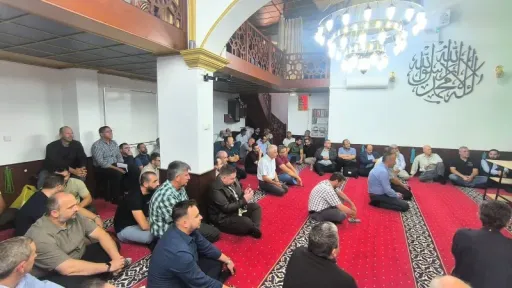
According to reports, a group of students visited the mosque under the supervision of two Greek Christian teachers. During the visit, they were reportedly received by representatives of the state-appointed mufti and the administration of local Muslim charitable foundations.
Concerns Raised Within the Minority Community
Photos and statements shared on social media following the visit initially presented the event as an educational trip aimed at informing students about the mosque’s historical and religious significance.
However, some representatives of the Turkish minority community questioned whether the visit had broader symbolic implications. Critics argue that such initiatives may be used to increase the visibility or perceived legitimacy of state-appointed religious and foundation administrators who are not widely recognized by parts of the minority community.
Long-Standing Issues: Mufti and Waqf Administrations
The debate also reflects long-standing disputes within the region regarding the administration of Muslim religious institutions.
Members of the Western Thrace Turkish minority have for decades advocated for the election of muftis by the community itself and for the management of waqf (foundation) administrations through elections rather than state appointments.
These issues have remained a source of political and legal discussion in Western Thrace since the late 20th century.
Questions About Organization of the Visit
Within the minority community, several questions have been raised regarding the organization of the school visit, including:
- How and by whom the visit was organized
- Whether the school administration approved the program
- Whether parents were informed or gave consent
- Whether students were informed beforehand about who would receive them at the mosque
- Supporters of the concerns say these questions remain unanswered and contribute to the ongoing debate.
Context of Previous Controversy
Some observers also linked the discussion to a previous controversy involving a “Kalanda” event held at a minority school in the village of Dolaphan. That event, associated with a Greek Orthodox New Year tradition, had similarly sparked debate about the cultural identity and mission of minority schools.
Calls to Protect Students From Political Disputes
Many community representatives emphasized that educational institutions should avoid placing students at the center of political or administrative disputes.
While acknowledging the importance of students learning about their cultural and religious heritage, critics say such visits should not become part of broader institutional or political debates.
The issue has once again highlighted the sensitivity surrounding minority institutions and education in Western Thrace.