Gümülcine-born writer Meltem Ali publishes debut short story collection
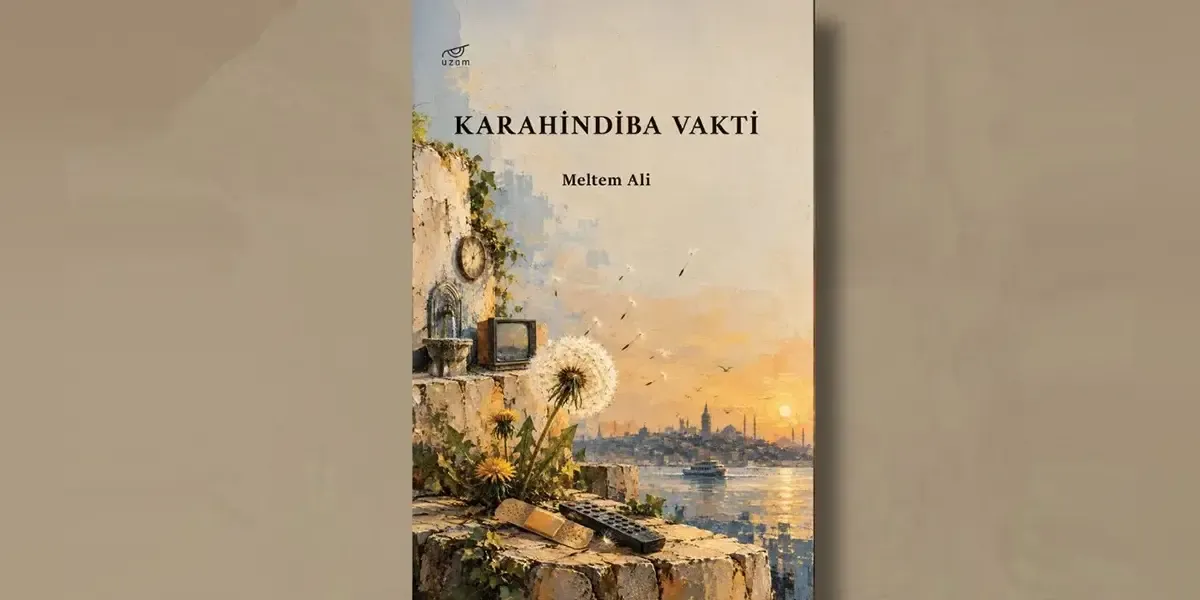
estern Thrace writer Meltem Ali has published her first short story collection through Uzam Publishing, with the book winning the “Best Work” award at the 2026 One World Literature Awards organised by Türkiye’s Presidency for Turks Abroad and Related Communities (YTB).
Ali, who was born in Komotini (Gümülcine), explores human experiences and emotions through seemingly ordinary objects and small details of everyday life.
The collection brings together short stories depicting different stages of life, hidden sorrows, human relationships and the often-overlooked dimensions of people's experiences.
EVERYDAY OBJECTS TELL HUMAN STORIES
According to the book's promotional description, the stories use familiar details of daily life to explore deeper human emotions.
Objects ranging from a clock and a fountain to a plaster and a television remote control become starting points for narratives about people's inner worlds and untold experiences.
Through objects, glances and seemingly insignificant moments, Ali invites readers to look beyond appearances and discover the stories behind ordinary lives.
RECOGNISED AT THE 2026 ONE WORLD LITERATURE AWARDS
Ali's debut collection received the “Best Work” award at the 2026 One World Literature Awards, organised by YTB.
The recognition adds to the young writer's growing literary achievements following the publication of her first book.
ABOUT MELTEM ALI
Born in Komotini in 1996, Ali completed her primary, secondary and high school education in her hometown.
She graduated from Marmara University's Department of Secondary Mathematics Education in 2020 and later completed studies in Social Services at Istanbul University in 2024. She has also received training in story therapy, storytelling, and emotional regulation and management.
Her short stories have appeared in several literary magazines, including Yedi İklim, Hayal Bilgisi, Hararet, Harman, Derhal, Üçüncü Yeni, Düşlersen and Fiyaka, published in Western Thrace.
Her debut collection marks a new contribution to Turkish literature in Western Thrace.