Gallipoli Victory’s 111th Anniversary commemorated in Gümülcine

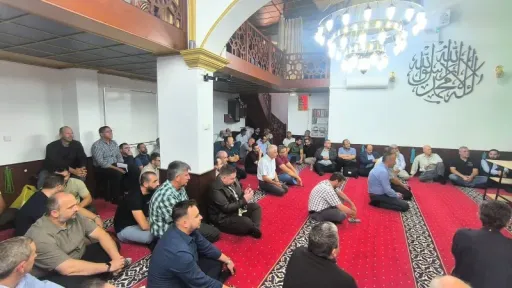
A commemorative ceremony marking March 18 Martyrs’ Remembrance Day and the 111th anniversary of the Gallipoli Victory was held at the Consulate General of Türkiye in Gümülcine, bringing together members of the Turkish community in Western Thrace.
The event honored Mustafa Kemal Atatürk—revered as the “Hero of Anafartalar” for his leadership during the Gallipoli Campaign—as well as all fallen soldiers who sacrificed their lives for the nation.
Ceremony and Opening
The program began at 14:30 in the consulate garden, where attendees were welcomed by Aykut Ünal and his wife İlayda Ünal. A moment of silence was observed in memory of Atatürk and the martyrs, setting a solemn tone for the ceremony.
“Gallipoli Is a Nation’s Epic of Resistance”
In his address, Mustafa Trampa, who also serves as head of the Western Thrace Turkish Minority Advisory Board, подчеркнул the historical and spiritual significance of Gallipoli.
“Gallipoli is not only a military victory; it is the epic of a nation rising, its faith and courage. It was not just a front that was defended, but the future and unity of a people,” he said.
Trampa also noted that many soldiers from Western Thrace fought in Gallipoli, stressing the importance of preserving their legacy.
“A Story of Faith and Sacrifice”
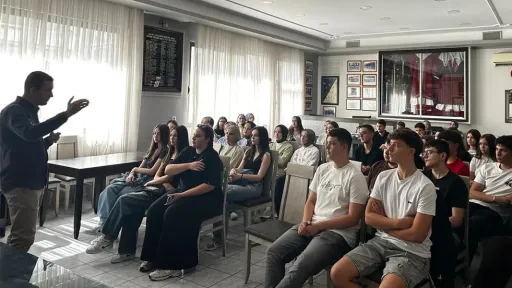
Teacher İsmail Yaykın highlighted the deeper meaning of the victory, describing Gallipoli as a symbol of faith, sacrifice, and national dignity.
He emphasized that understanding Gallipoli also means acknowledging shared human suffering and the collective memory of loss, including contributions from Western Thrace.
“Martyrs Are the Nation’s Strongest Memory”
In his closing remarks, Consul General Ünal underscored the profound meaning of martyrdom:
“Martyrs are not only a loss but the greatest expression of sacrifice, love, and courage. They live on in the values they leave behind and in the future they secured for us.”
Ünal also linked the Gallipoli legacy to the foundations of the Republic of Türkiye and referenced the enduring significance of the İstiklal Marşı by Mehmet Akif Ersoy, calling it a powerful expression of national resilience.
Closing Prayer
The ceremony concluded with a prayer led by İbrahim Şerif in memory of Atatürk, his comrades, and all martyrs.
The event highlighted the continued importance of historical remembrance and collective identity among the Turkish minority in Western Thrace.