Suicide prevention must begin before crisis
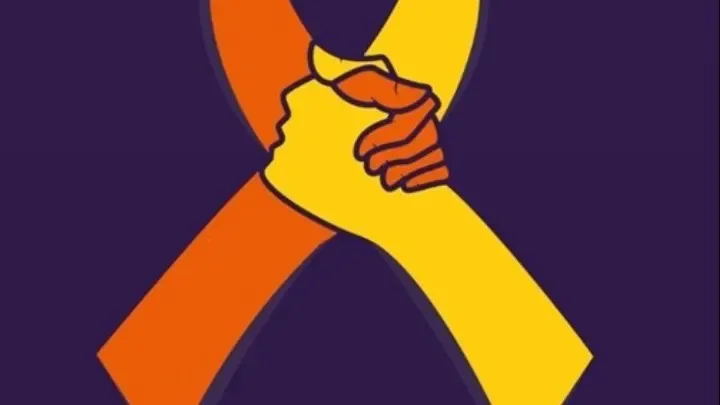
Prevention must begin before a mental health crisis emerges, with earlier recognition of vulnerability and stronger support in healthcare, schools, workplaces and communities, a Greek psychiatrist said ahead of World Suicide Prevention Day.
The international observance on Sept. 10, 2026, is being held under the theme “Changing the Narrative on Suicide,” calling for greater openness around suicide and a broader approach to prevention.
Kyriakos Katsadoros, scientific director of the Greek mental health organization KLIMAKA, said prevention should not be limited to responding when someone is already in crisis.
“Prevention cannot begin once a crisis has already emerged,” Katsadoros told the Athens-Macedonian News Agency, stressing the importance of early intervention and continuity of care after a suicide attempt.
Nearly 3,000 deaths recorded since 2020
More than 720,000 people die by suicide worldwide each year, according to international estimates.
In Greece, KLIMAKA’s Suicide Observatory recorded 2,946 suicide deaths between 2020 and 2025, including 579 deaths in 2025.
Katsadoros said the figures showed that suicide remains a serious public health issue in Greece, despite the country having one of the lower recorded suicide rates in Europe.
He cautioned against complacency, noting significant differences in suicide rates across European countries and the continued scale of the problem across the region.
Behavioural changes can signal risk
Katsadoros said changes in a person’s usual behaviour can provide important warning signs, even when they do not openly express suicidal thoughts.
These can include withdrawal and isolation, loss of interest, changes in sleep, pronounced irritability, declining ability to function, self-neglect and increased use of alcohol or other substances.
Statements such as “I can’t take it anymore,” “I’m a burden” or “Nothing has any meaning” should also be taken seriously, he said.
Previous attempts remain a key warning factor
Personal and family history can also indicate increased vulnerability, according to Katsadoros.
He highlighted previous suicide attempts, suicidal thoughts, severe mental illness, addiction and a history of suicide within the family as important risk factors.
He stressed that people around someone at risk should not wait for an explicit statement of suicidal intent before offering support.
Early support can make a difference
Katsadoros said the key principle for communities is to pay attention to significant changes, particularly when they occur alongside known risk factors or vulnerability.
People should approach those who appear to be struggling without judgment and help connect them with appropriate support at an early stage.
“Someone noticed and did not ignore it,” he said.
Source:AMNA