Greece records 180 Legionnaires’ disease cases as majority involve tourists
Greece recorded 180 cases of Legionnaires’ disease in 2025, with the majority of reported infections involving travelers who were visiting the country, according to data released by the National Public Health Organization (EODY).
The disease was reported more frequently among men and people over the age of 65, while the highest number of cases was recorded in September.
EODY monitors Legionnaires’ disease through two surveillance systems: the Mandatory Disease Notification System (S.Y.D.N.), which tracks cases diagnosed in Greek hospitals, and the European Legionnaires’ Disease Surveillance Network (ELDSNet), which monitors cases among foreign travelers who are suspected of being exposed to Legionella bacteria during their stay in Greece.
Of the 180 total cases recorded in 2025, 100 were reported through the national surveillance system and 80 through ELDSNet. Most ELDSNet-related cases involved travelers who stayed in the regions of Crete, the Ionian Islands, and the South Aegean.
Despite the reported infections, the overall incidence remained low at 0.8 cases per 100,000 residents, and no outbreak was recorded in the country.
Legionella risks increase during summer tourism season
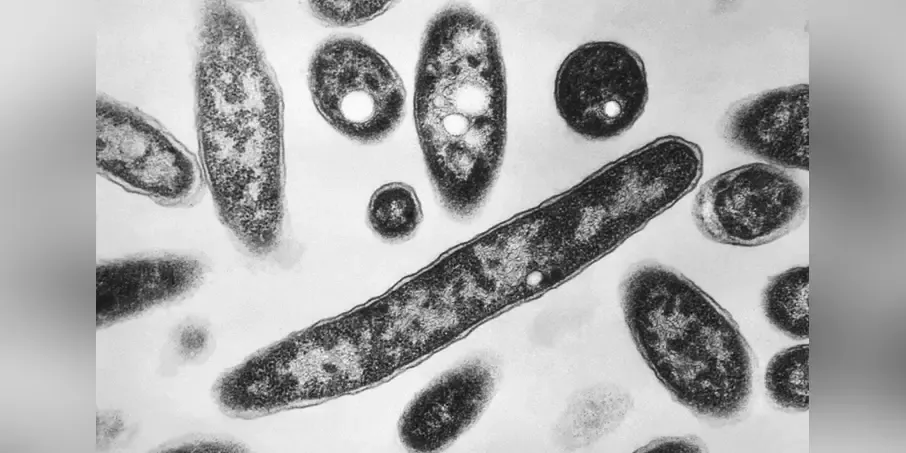
According to Anastasia Andreopoulou, a health visitor at EODY’s Respiratory Infections Department, Legionella is a bacteria widely found in nature, particularly in water environments. It can also be detected in soil samples, especially in cases involving the Legionella longbeachae species.
The bacteria can colonize water supply systems, including hot and cold water networks, storage tanks, reservoirs, and pipelines with limited water flow. Ideal conditions for Legionella growth occur when water temperatures range between 25°C and 42°C.
Legionnaires’ disease is an acute bacterial respiratory infection caused by Legionella bacteria and most commonly develops as pneumonia. It is considered a significant public health concern, with reported fatality rates ranging from 5% to 30%.
The disease spreads through inhalation of contaminated water droplets in the air, such as aerosols produced by showers or similar systems. It is not transmitted from person to person. The incubation period is typically between 2 and 10 days, most commonly 5 to 6 days.
High-risk groups include people over 50 years old, smokers, and individuals with chronic illnesses or weakened immune systems.
The disease is more common during the summer and early autumn months, as increased tourism activity, higher temperatures, and the reopening of seasonal accommodation facilities after long periods of inactivity can increase the risk of Legionella growth in water systems.
Health authorities emphasize that prevention depends on proper maintenance and disinfection of water and air-conditioning systems, regular inspections, and the implementation of safety measures by trained personnel in hotels, hospitals, long-term care facilities, and other high-risk locations.