Chikungunya risk in Europe rises as virus found to spread at lower temperatures

A new scientific study has raised concerns over the potential spread of Chikungunya in Europe, finding that the virus can be transmitted at significantly lower temperatures than previously believed.
Researchers warn that the combination of this lower temperature threshold and ongoing climate change increases the likelihood of wider outbreaks across the continent. The analysis shows that transmission can occur at 13°C–14°C—around 2.5°C lower than earlier estimates—extending the potential transmission season in southern Europe to more than six months per year.
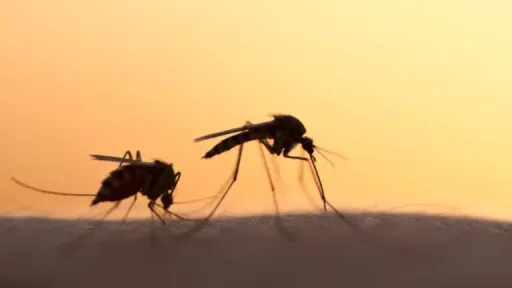
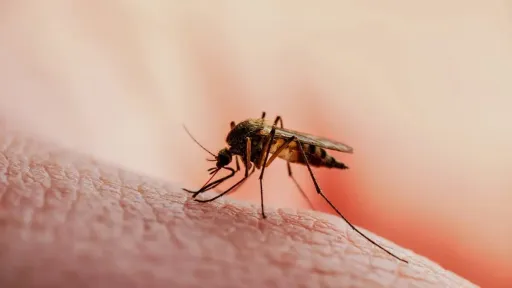
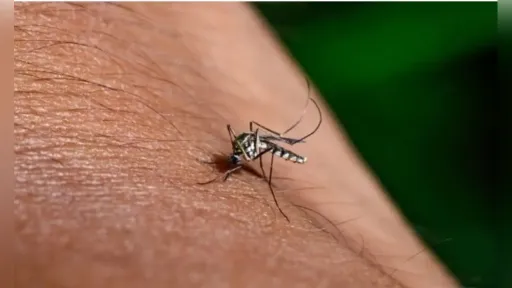
The virus is spread by the Asian tiger mosquito, Aedes albopictus, an invasive species that has expanded across Europe in recent decades as temperatures rise. The mosquito has already been detected in the United Kingdom, though it is not yet permanently established there.
The study, published in the Journal of the Royal Society Interface, analyzed data from 49 previous studies to assess how temperature affects the virus’s incubation period inside the mosquito. Scientists found that warmer conditions across Europe—where temperatures are rising at roughly twice the global average—are creating increasingly favorable conditions for transmission.
Chikungunya, first identified in Tanzania in 1952, causes severe and sometimes prolonged joint pain that can be debilitating. While traditionally confined to tropical regions, recent years have seen sporadic outbreaks in more than 10 European countries. In 2025, France and Italy recorded major outbreaks involving hundreds of cases.
Researchers say outbreaks in Europe typically begin when infected travelers return from tropical regions and are bitten by local tiger mosquitoes, which then spread the virus. Historically, cold European winters have interrupted mosquito activity, limiting sustained transmission. However, scientists are now observing year-round mosquito activity in parts of southern Europe, raising concerns that outbreaks could intensify.
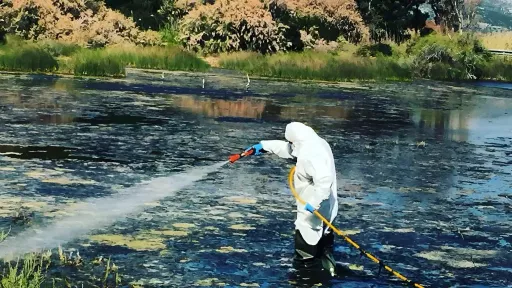
Public health experts stress that prevention remains key. Measures include removing standing water where mosquitoes breed, wearing long-sleeved light-colored clothing and using insect repellent. While vaccines exist, they are costly, and avoiding mosquito bites remains the most effective protection.
Scientists caution that northern expansion of the disease is “a matter of time” unless stronger surveillance and vector control measures are implemented.