Europe’s youngest state Kosovo marks 18 years of independence

Home to 1.58 million people, according to the 2024 census, Kosovo has a large diaspora across Western Europe that is believed to exceed its resident population. Ethnic Albanians make up more than 90% of the population, alongside Serbs, Turks, Bosniaks and other communities.
From war to statehood
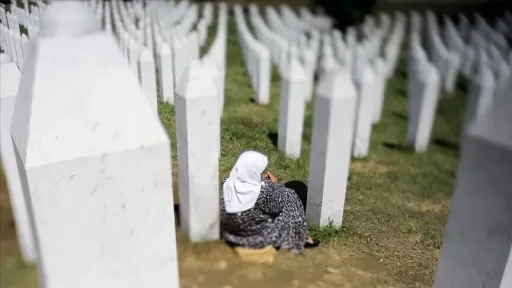
After nearly five centuries under Ottoman rule and decades within Yugoslavia, Kosovo’s path to independence was shaped by the 1998–1999 war between Serbian forces and ethnic Albanian fighters. NATO’s 1999 intervention ended the conflict, leaving over 10,000 people dead and more than 1 million displaced.
Following years under UN administration, Kosovo declared independence in 2008 under a plan drafted by UN envoy Martti Ahtisaari. While more than 100 countries — including Türkiye — quickly recognized the new state, Kosovo has not secured United Nations membership due to opposition from Russia and China.
In 2010, the International Court of Justice ruled that Kosovo’s declaration of independence did not violate international law.
EU bid and regional tensions
Kosovo formally applied for European Union membership in December 2022, but its application remains pending. Five EU member states still do not recognize its independence, complicating its path toward integration.
EU-mediated normalization talks between Belgrade and Pristina, launched in 2011, have stalled in recent years, though renewed diplomatic efforts are expected following the formation of Kosovo’s new government.
Political and security challenges
Domestically, Kosovo faces economic strain, emigration, and governance challenges. The government has pledged higher wages and increased defense spending, including a planned €1 billion investment in security forces.
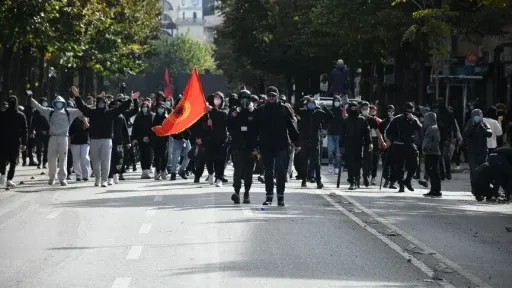
Tensions remain high in the Serb-majority north, where authorities are moving to integrate Serbian-run institutions into Kosovo’s system — steps that could spark renewed friction with Belgrade.
Meanwhile, President Vjosa Osmani is nearing the end of her five-year term in April, and uncertainty over her successor raises the prospect of renewed political instability.
Eighteen years after independence, Kosovo stands at a crossroads — balancing state-building, international recognition, and fragile regional stability.