US faces mounting pressure as Iran attacks strain defenses

The United States has used large quantities of missile interceptors to counter Iranian attacks across the Middle East, raising concerns over air-defense stocks and the ability to replenish key munitions, according to US officials and reports cited by The Wall Street Journal.
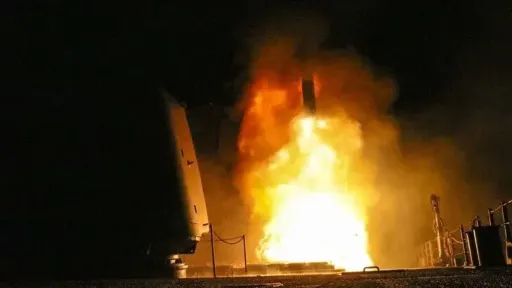
US forces fired between 60 and 70 Patriot interceptors and more than a dozen Terminal High Altitude Area Defense, or THAAD, interceptors during a recent Iranian attack involving about 20 ballistic missiles targeting Jordan, the Journal reported.
The number of interceptors used was roughly equivalent to the amount expended during an entire week at other points in the conflict, according to officials cited by the newspaper.
Iran has increasingly used complex missile tactics, including different trajectories, maneuvers and warheads that reportedly separate into multiple projectiles near their targets.
Iranian missiles hit US aircraft in Jordan
The US defenses did not intercept every incoming threat. Iranian missiles struck fighter jets and other aircraft at Muwaffaq Salti Air Base in Jordan, although no US personnel were killed in the latest attack, according to the report.
US Central Command declined to comment on the reported interceptor expenditure.
The Pentagon rejected claims that American missile stocks had been depleted. Pentagon spokesman Sean Parnell said reports suggesting US munitions were depleted were “completely false.”
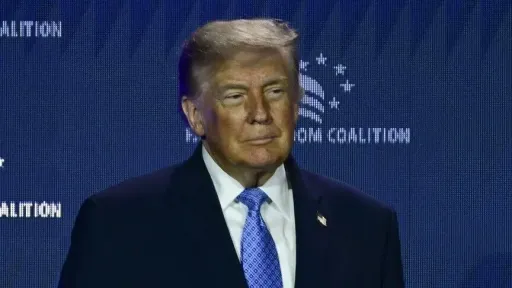
President Donald Trump also said Monday that the United States had large interceptor stocks and was increasing production.
A Defense Department inspector general report, however, said the conflict had produced strategic inventory shortfalls and exposed bottlenecks in the US industrial base that could complicate the resupply of munitions.
Thousands of interceptors already expended
By mid-July, US forces had used about 1,700 Patriot interceptors and more than 200 THAAD interceptors during the conflict, according to officials cited by the Journal.
US Navy ships had also fired about 150 Standard Missile interceptors against Iranian missiles and drones.
Lockheed Martin, the manufacturer of Patriot interceptors, produced 620 in 2025 and is seeking to increase annual production to about 2,000, according to the report.
US officials have also warned that large transfers of munitions to the Middle East could affect Washington’s ability to respond to potential threats in other regions, including Europe and the Indo-Pacific.
Iranian attacks damage US bases
The pressure on air defenses comes alongside evidence of extensive damage to US military facilities across the Middle East.
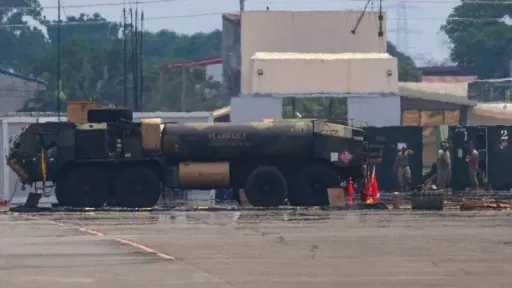
Newly obtained photographs reported by CBS News show damaged buildings, vehicles and aircraft at several US positions following Iranian missile and drone attacks.
At Prince Sultan Air Base in Saudi Arabia, one photograph showed what CBS described as a direct hit on a Boeing E-3 Sentry aircraft, with its tail separated from the damaged fuselage.
Images from the base also showed damaged buildings and barracks. Photographs from Camp Buehring in Kuwait, a major staging area for US Army personnel and equipment, reportedly showed additional damage.
Pentagon watchdog estimates losses
The photographs emerged as the Defense Department’s inspector general estimated that equipment losses from the conflict could reach $3.7 billion, including nearly 60 aircraft.
The inspector general said US Central Command had reported Iranian strikes on American bases in Kuwait, Bahrain, Qatar, the United Arab Emirates, Saudi Arabia, Iraq, Oman and Jordan.
The Pentagon did not respond to CBS News’ request for comment.
The attacks have also prompted Gulf states to seek additional air-defense munitions and raised concerns about the availability of systems needed to support Ukraine’s defense against Russian strikes, according to the Journal.
Washington intensifies economic pressure
Alongside the military campaign, the Trump administration is expanding economic pressure on Tehran.
Treasury Secretary Scott Bessent told the House Financial Services Committee Tuesday that Washington was conducting what he called the “greatest economic isolation campaign” against Iran and its allies.
Bessent said the Trump administration was seeking to end rather than manage what it considers the Iranian threat, while using US economic power to increase pressure on Tehran.
He described Iran’s economy as being in severe difficulty, citing currency depreciation, high inflation and fuel shortages.
New sanctions campaign targets Iranian networks
Bessent attributed the pressure partly to US sanctions and Operation Economic Outcast, a Treasury initiative launched in August to target financial networks allegedly used by Iran to sell oil, evade sanctions and generate revenue.
He said the Treasury Department would intensify enforcement against companies and individuals accused of facilitating Iranian trade and sanctions evasion.
Bessent said measures targeting such facilitators would begin taking effect Sept. 23 and would be fully enforced thereafter.
He also said the United Arab Emirates had taken steps to reduce financial transactions and trade with Iran and that the Treasury Department had sanctioned branches of an Egyptian bank in Dubai over transfers exceeding $1.8 billion to Iran since 2025.
The developments underscore the expanding scope of the confrontation, with Iranian attacks placing pressure on US air defenses and military facilities while Washington combines military measures with intensified economic sanctions against Tehran.