Iran war exposes strategic US munitions shortfalls

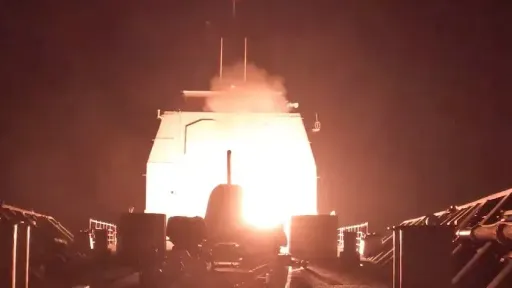
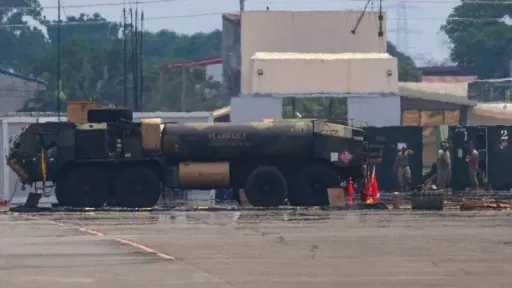
The US war against Iran exposed significant weaknesses in American munitions stockpiles and the defense industry’s ability to rapidly replenish weapons, according to the first Pentagon inspector general assessment of the conflict.
The report, covering April 1 to June 30 under the Operation Epic Fury framework, said heavy munitions expenditure had created “strategic inventory shortfalls” and revealed bottlenecks in the US defense industrial base.
The Pentagon is seeking to accelerate procurement and production timelines while stockpiling critical materials, components and selected munitions, the report said.
Rocket motors and explosives remain key constraints
US defense manufacturers require significant lead time to expand production capacity, according to the report.
The most persistent bottlenecks involve solid rocket motor production, supplies of high-grade explosives and propellants, and the recruitment of skilled manufacturing workers.
President Donald Trump and Defense Secretary Pete Hegseth have repeatedly rejected reports that US weapons stocks had been severely depleted during the conflict.
War costs reach $33.4 billion
The Pentagon estimated the cost of the war at $33.4 billion as of June 29.
The figure includes $22.3 billion for expended munitions and $3.7 billion in equipment losses calculated at replacement cost. Infrastructure repair costs were not included.
Hegseth warned Congress in July that the Pentagon could face critical funding shortfalls without additional financing, potentially affecting its ability to replenish weapons and equipment and maintain global operations.
The White House has requested $87.6 billion in emergency supplemental funding, including $67.1 billion for the Pentagon and $21 billion specifically for munitions.
US rejects Iranian mine claim
Separately, the US Central Command rejected an Iranian claim that a Panama-flagged oil tanker had struck a naval mine near the Strait of Hormuz.
CENTCOM said the El Gaia tanker had been hit by an Iranian missile the previous month and rendered inoperable before being struck again by an Iranian drone over the weekend while off the coast of Oman.
Iran’s Islamic Revolutionary Guard Corps Navy said the tanker exploded after hitting naval mines south of the Strait of Hormuz.
CENTCOM dismissed the claim as another attempt by Iran to spread false information and intimidate.
Iran prepares for three conflict scenarios
Iran’s Armed Forces General Staff has meanwhile issued a nationwide passive defense directive covering three possible scenarios: the end of the war, a ceasefire and full-scale conflict.
Under the full-scale war scenario, large public gatherings and in-person events would be suspended, while authorities would focus on maintaining essential services, managing resources, assisting civilians and coordinating government agencies.
The ceasefire scenario emphasizes public preparedness, vigilance against hybrid warfare and information security.
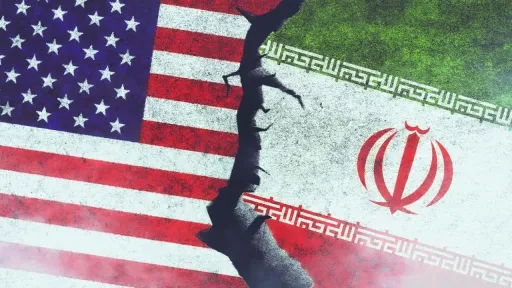
The directive comes as the conflict between Iran, the United States and Israel continues to affect the wider region, alongside diplomatic efforts aimed at ending hostilities.
Iran has also ordered authorities to update operational plans based on lessons from what it describes as its second and third “imposed wars.”
Source:AA