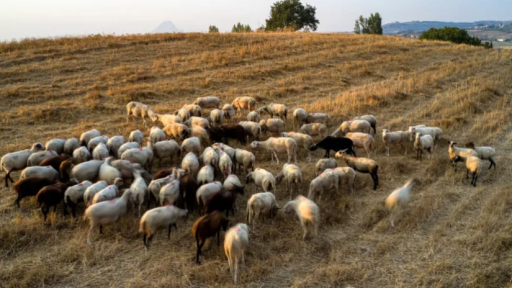
Sheep and goat pox: 450,233 animals culled – Nearly 2,000 cases recorded

Data released by the National Scientific Committee for the Management and Control of Sheep and Goat Pox (ESEMC) reveal the scale of animal losses resulting from the implementation of mandatory health protocols to contain the disease.
According to the Committee, a total of 450,233 sheep and goats have been culled due to sheep and goat pox nationwide.
From August 2024 to December 19, 2025, authorities recorded 1,985 confirmed cases of the disease across 2,449 livestock farms throughout the country.
New Cases (December 12–19, 2025)
During the latest reporting week, 74 new cases were confirmed through laboratory testing in 17 Regional Units and Metropolitan Units.
Biosecurity Measures and Guidelines
The National Scientific Committee reiterated the following measures:
Movement of animals for slaughter is permitted only with authorization from the competent veterinary authority and the required health documentation.
The import of live sheep and goats from Romania and Bulgaria is prohibited.
In restricted zones, animal movement is allowed solely for immediate slaughter at the nearest slaughterhouse and requires a negative PCR test (saliva sample).
One route – one farm policy applies; collection of animals from multiple farms is not allowed.
Slaughter must take place on pre-designated days, during which only sheep and goats are processed.
Strict biosecurity protocols for transport vehicles, including cleaning and disinfection before and after transport, accompanied by official certification.
Police and Coast Guard checks are conducted in close coordination with veterinary authorities to verify documentation.
Feed Transportation Rules
The transportation of animal feed is permitted nationwide under strict biosecurity conditions:
- Feed must originate from facilities without sheep or goats.
- Transport routes must use major roadways, with no stops or unloading en route.
- Mandatory cleaning and disinfection of vehicles.
- Maintenance of disinfection records.
- Drivers and handlers must use single-use personal protective equipment (PPE).
- Authorities stress that strict adherence to these measures is essential to limit further spread of the disease and protect the livestock sector.