Eastern Macedonia and Thrace Region budget for 2026 tops €400 million

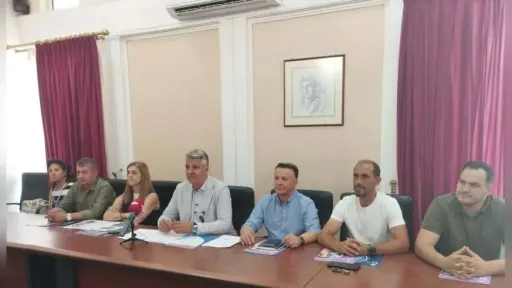
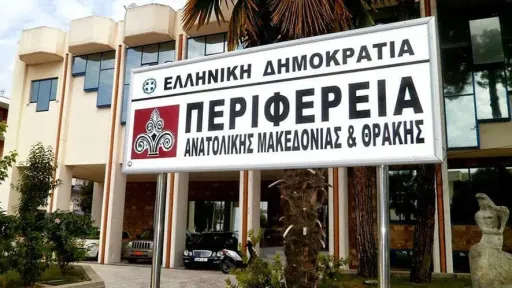
The Regional Council of Eastern Macedonia and Thrace (EMT/REMTH – PAMTH in Greek) approved the 2026 regional budget, totaling just over €400 million, following a vote held on Tuesday evening, December 30. The budget passed by majority, supported exclusively by members of the ruling regional administration, while the opposition voted unanimously against it.
The budget is balanced, with total expenditures amounting to €400.7 million, covered by projected revenues and the region’s available cash reserves expected at the end of 2025.
“A Dynamic Roadmap,” Says Regional Governor
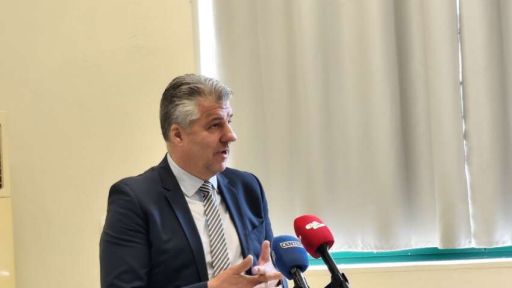
Introducing the budget, Regional Governor Christodoulos Topsidis said it was submitted on an expedited basis to ensure timely approval and the uninterrupted operation of regional services from the start of the new year. He stressed that the budget is not merely a formal exercise, but one of the most important institutional processes of the Regional Council.
Beyond the figures, Topsidis said, the budget reflects the scale and scope of the region’s efforts, emphasizing that the administration is moving “one step forward every year.” He described the targets as realistic and achievable, highlighting three core pillars: maximizing the use of available resources, ensuring the smooth functioning of the regional administration, and strengthening the region’s development prospects.
Priority areas include absorbing funds from all available financing tools, modernizing road infrastructure, energy systems, and digital services, as well as supporting entrepreneurship, investment, and employment. Projects and interventions are planned across the entire region, with the overarching goal of ending the region’s isolation and strengthening infrastructure, social services, civil protection, and environmental and climate resilience.
“The budget is not static,” Topsidis said. “It is a dynamic roadmap that turns resources into projects, promises into action, and our vision into tangible results for citizens.”
Opposition: “Below Expectations”
Speaking for the main opposition group, New Regional Renaissance, regional councilor Kostas Antoniadis criticized both the timing and the substance of the budget. He described the process as rushed, noting that council members were asked to vote on a crucial issue just days before the new year.
Antoniadis labeled the budget “timid” and “low in ambition,” arguing that it fails to meet citizens’ real needs and lacks a clear development vision. Despite positive headline figures, he said, businesses continue to lag behind, prompting his group to vote against the proposal.
Criticism Over Direct Awards and Policy Direction
Damianos Kagelidis, head of the “Together for Change” faction, acknowledged some positive elements but raised concerns over the extent and philosophy of direct contract awards. He argued that the budget effectively extends central government policy at the regional level, a direction his group opposes.
Similarly, Stergios Iliopoulos of the Independent United Initiative said that given chronic underfunding, the allocation of limited resources is critical. He criticized what he described as an entrenched culture of direct awards, arguing that the budget reinforces this practice. While formally balanced, he said, the budget is structurally weak, lacks clear prioritization, and does little to enhance transparency.
“Austerity for the Many”
From the left-wing Popular Rally, Dionysis Kladis described the budget as one of austerity for the majority, aligned with what he called a national budget of poverty and war. He argued that contractors and capital interests continue to benefit from public contracts, while ordinary citizens face ongoing hardship.
Kladis also warned that stable payroll spending points to another year of staff shortages, insecure employment, and frozen wages in the region.
Source: Paratiritis-News.gr