Bird flu alert in Western Thrace as authorities tighten poultry restrictions
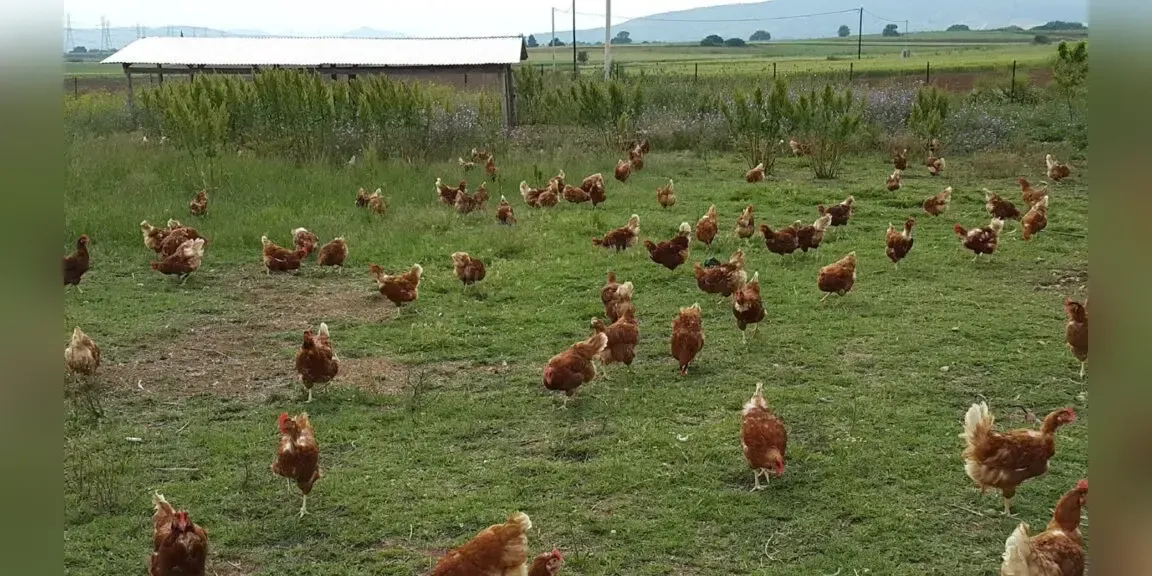
Following new outbreaks in Bulgaria and Albania, veterinary authorities have introduced stricter biosecurity measures, including a ban on keeping domestic poultry outdoors within two kilometres of wetlands and other water bodies.
The Veterinary Directorate of the Region of Eastern Macedonia and Thrace has issued a warning over the growing risk of avian influenza following new outbreaks in Bulgaria and Albania and the spread of the disease among birds in several European countries.
With migratory birds beginning to arrive in the region for the winter, poultry farmers and the public have been urged to implement strict preventive measures to reduce the risk of infection.
According to the Directorate, outbreaks of highly pathogenic avian influenza have increased at poultry farms in Bulgaria, while the disease has also been confirmed at a backyard poultry holding in Albania.
An increase in cases among wild birds has also been reported in Germany, Norway, Denmark and Cyprus. Authorities have stressed the importance of fully implementing biosecurity measures to prevent the possible spread of the virus through migratory birds.
RESTRICTIONS ON POULTRY AND EGG IMPORTS FROM BULGARIA
The Veterinary Directorate announced that the importation into Greece of live poultry, chicks, eggs and poultry meat from Bulgarian areas subject to avian influenza restrictions is prohibited.
The restrictions also cover the movement of live poultry from these areas to Greek farms, slaughterhouses and backyard poultry holdings.
The ban extends to hatching eggs, table eggs, eggs intended for the production of egg products and eggs designated for destruction.
Shipments from Bulgarian areas officially recognised as free of the disease remain subject to approval by the competent veterinary authorities, including those intended for private use.
The Directorate has also advised against visiting poultry farms located in areas affected by avian influenza unless the necessary biosecurity precautions are in place.
OUTDOOR POULTRY KEEPING BANNED WITHIN TWO KILOMETRES OF WETLANDS
Under measures applying nationwide in Greece, keeping backyard poultry outdoors is prohibited within a two-kilometre radius of wetlands, rivers, lakes and other bodies of standing or flowing water.
Domestic poultry must be kept in enclosed facilities, with all contact with wild birds prevented. Ducks and geese must also be kept separately from other poultry.
Additional requirements have been introduced for commercial poultry farms, including free-range and organic production facilities.
Farm operators are required to:
- Prevent poultry from coming into contact with wild birds and other domestic birds.
- Restrict the movement of animals, vehicles and personnel both within and between farms.
- Protect feed preparation areas, as well as feed and water supplies, from wild birds and other animals.
- Install disinfection facilities at the entrances to farms and poultry houses.
SUSPICIOUS BIRD DEATHS MUST BE REPORTED
Backyard and commercial poultry keepers have been instructed to monitor the health of their birds daily and maintain relevant records.
Any suspicious situation, particularly cases in which several birds become ill or die within a short period, must be reported immediately to the competent veterinary authorities.
Similar reporting requirements apply to wild birds. Local forestry services, hunting associations, birdwatchers and other relevant organisations have been urged to notify veterinary authorities of unusual deaths or signs of disease.
Particular attention has been drawn to mass mortality events among waterbirds.
The use of birds belonging to the Anseriformes and Charadriiformes orders as bait or decoys during hunting activities has also been prohibited.
PUBLIC WARNED NOT TO TOUCH DEAD WILD BIRDS
The Veterinary Directorate has issued a public health warning, advising people not to touch dead wild birds, particularly waterbirds, with bare hands.
Where contact with dead birds cannot be avoided, protective equipment such as gloves and masks should be used.
People working in close and frequent contact with poultry have also been instructed to follow strict hygiene procedures and wear protective clothing, gloves and masks.
For further information about avian influenza and the applicable preventive measures, members of the public are advised to contact their local veterinary authorities or consult the websites of Greece's National Public Health Organisation (EODY) and the Ministry of Rural Development and Food.