Rising costs reshape Greeks’ summer holidays
The rising cost of living is fundamentally changing how Greeks spend their summer holidays, with nearly half of the country’s population unable to afford even a one-week stay in tourist accommodation, according to Eurostat data cited in a report by Greek media.
Some 46.6% of people aged over 16 in Greece reportedly lack the financial resources to afford a seven-day holiday away from home, placing Greece second among European countries with the highest rate, behind Romania.
More Greeks staying in cities
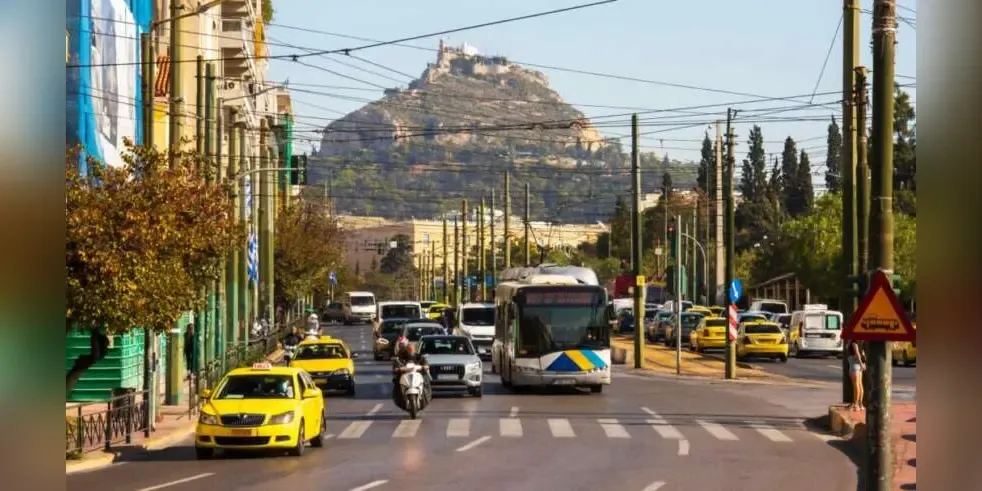
Despite the traditional August exodus from major cities, Greece’s capital is experiencing unusually high occupancy levels this summer, with many residents remaining in Athens rather than travelling to islands or other popular destinations.
Traffic and public transport patterns indicate that a significant share of residents are staying in the city and opting instead for short, often one-day trips to beaches in Attica.
At the same time, the continued growth of short-term rentals such as Airbnb is maintaining activity in central Athens, even as the purchasing power of permanent residents comes under increasing pressure.
Holiday poverty widens
The growing phenomenon of “holiday poverty” reflects the widening gap between household incomes and the cost of tourism services.
According to data from Greece’s e-EFKA social security organisation cited in the report, around half of private-sector employees earn less than €920 net per month. Meanwhile, basic transportation and accommodation costs for a family of four travelling to an Aegean island for a week can now reach between €2,000 and €2,800.
Analysts say inflation in accommodation and transport has consistently outpaced the overall inflation rate, making island destinations increasingly unaffordable for lower- and middle-income households.
Domestic and alternative travel gains ground
The rising cost of holidays is also changing consumer behaviour. More travellers are turning to mainland destinations accessible by road, staying at privately owned holiday homes or choosing cheaper travel packages abroad.
Experts argue that state-supported social tourism schemes and holiday vouchers remain insufficient to reverse the broader decline in affordable mass tourism.
The trend is gradually reshaping Greece’s traditional holiday model, with rising prices increasingly favouring tourism infrastructure aimed at higher-spending travellers.