Greece to return Tsar Samuel’s remains to Bulgaria
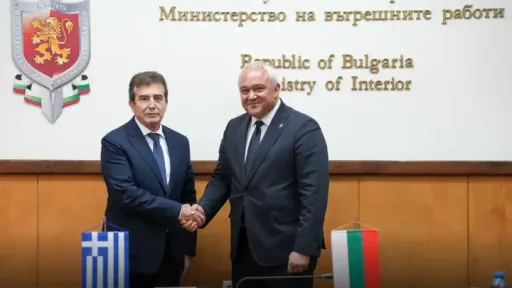
Greece will return to Bulgaria the remains identified as those of Tsar Samuel, who ruled the First Bulgarian Empire from 997 to 1014, under a cultural heritage agreement signed by the two countries.
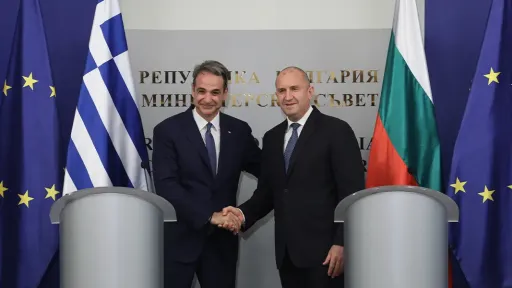
The agreement was reached after years of negotiations between Athens and Sofia. Bulgarian Prime Minister Rumen Radev described it as a “historic agreement” and said the return of Samuel’s remains followed almost six decades of efforts to bring them back to Bulgaria.
REMAINS DISCOVERED IN 1965
The remains attributed to Samuel were discovered in 1965 by Greek archaeologist Nikolaos Moutsopoulos during excavations at the Basilica of Saint Achillios on an island in Lake Prespa, in northern Greece. They have been kept at the Museum of Byzantine Culture in Selanik (Thessaloniki) in recent years.
Samuel ruled during a prolonged period of conflict between the First Bulgarian Empire and the Byzantine Empire. Bulgarian historical tradition regards him as an important medieval ruler who fought to preserve the empire’s independence.
HANDOVER CEREMONY TO TAKE PLACE IN SELANIK
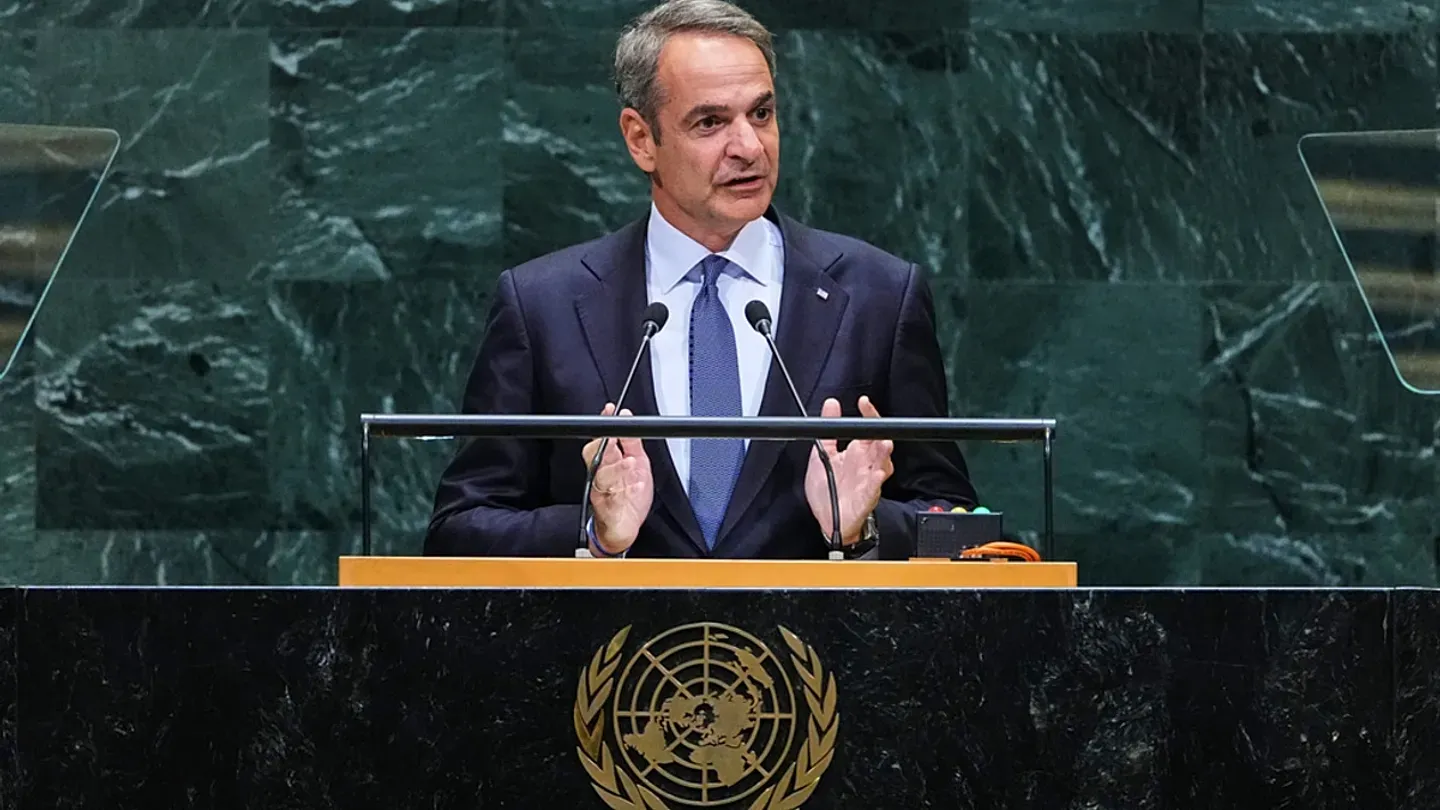
The official handover ceremony is scheduled for the morning of October 3 at the Museum of Byzantine Culture in Selanik (Thessaloniki), with Greek Prime Minister Kyriakos Mitsotakis hosting the ceremony. Radev is also expected to attend.
The remains will then be transported to Sofia aboard a Bulgarian Spartan military aircraft. Following an official welcoming ceremony, they will be taken in procession to the Church of St. Sofia, where they are to be placed in a special sarcophagus.
Bulgarian authorities have also said that remains from two other sarcophagi discovered at Saint Achillios, identified as belonging to Samuel’s son Tsar Gavril Radomir and other members of the Bulgarian royal family, will be transferred to Bulgaria.
48 HISTORICAL AND RELIGIOUS ARTEFACTS TO RETURN TO GREECE
The agreement also provides for the reciprocal transfer of cultural heritage items.
Bulgaria will return 48 historical and religious artefacts to Greece. The items were taken to Sofia during World War I and are associated with religious institutions in the Serres area, including the Monastery of Timios Prodromos, the Monastery of Panagia Eikosifoinissa and the Holy Metropolis of Serres and Nigrita.
The artefacts will be displayed at the Museum of Byzantine Culture until November 5, 2026, before being returned to the institutions associated with their provenance. Greece and Bulgaria have also agreed to continue negotiations on other historical objects of mutual interest that were not included in the current agreement.