EU calls on states to combat discrimination and violence based on religion or belief
The European Union has called on governments around the world to take action against discrimination and violence based on religion or belief, warning that freedom of thought, conscience, religion and belief remains seriously restricted in many countries.
In a statement issued by EU High Representative for Foreign Affairs and Security Policy Kaja Kallas on behalf of the EU, the bloc stressed that freedom of thought, conscience, religion and belief is a fundamental right protected under the Universal Declaration of Human Rights.
The statement was released in English, Arabic and Chinese to mark the International Day Commemorating the Victims of Acts of Violence Based on Religion or Belief.
Two-thirds of the world's population affected
According to the EU statement, approximately two-thirds of the world's population live in countries where freedom of religion or belief is seriously restricted.
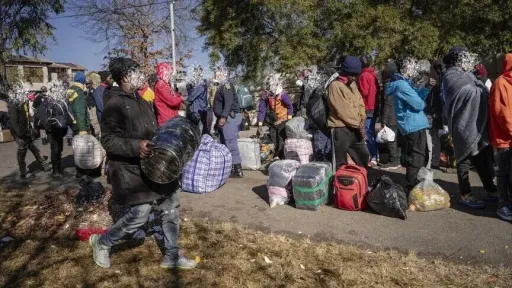
Millions of people reportedly face intolerance, discrimination, hatred, hostility or violence every day because of their religion or belief, because they are perceived as belonging to a particular faith, or because they do not adhere to any religion or belief.
The EU also noted that many people have lost their lives as a result of such violence and persecution.
EU highlights action against antisemitism and anti-Muslim hatred
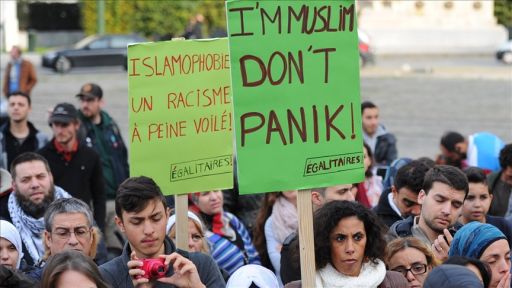
The statement pointed to initiatives within the European Union aimed specifically at combating antisemitism and anti-Muslim hatred.
It also reaffirmed the EU's opposition to discrimination and violence targeting Christians and members of other religious communities.
The European Commission has additionally appointed a Special Envoy for the promotion of freedom of religion or belief to strengthen engagement with third countries and raise global awareness of discrimination and persecution based on religion or belief.
EU urges governments to take action
The EU called on all states to take concrete action against discrimination and violence based on religion or belief.
It emphasized the need to continue working toward a world in which freedom, respect, tolerance and peace are the norm rather than the exception for people of all religions and beliefs, as long as discrimination and violence continue to affect communities around the world.
The statement places freedom of religion or belief within the broader framework of international human rights and calls for governments to protect individuals regardless of their religious identity or lack thereof.