New book examines religiousness and a century of assimilation in Kosovo’s Gora region
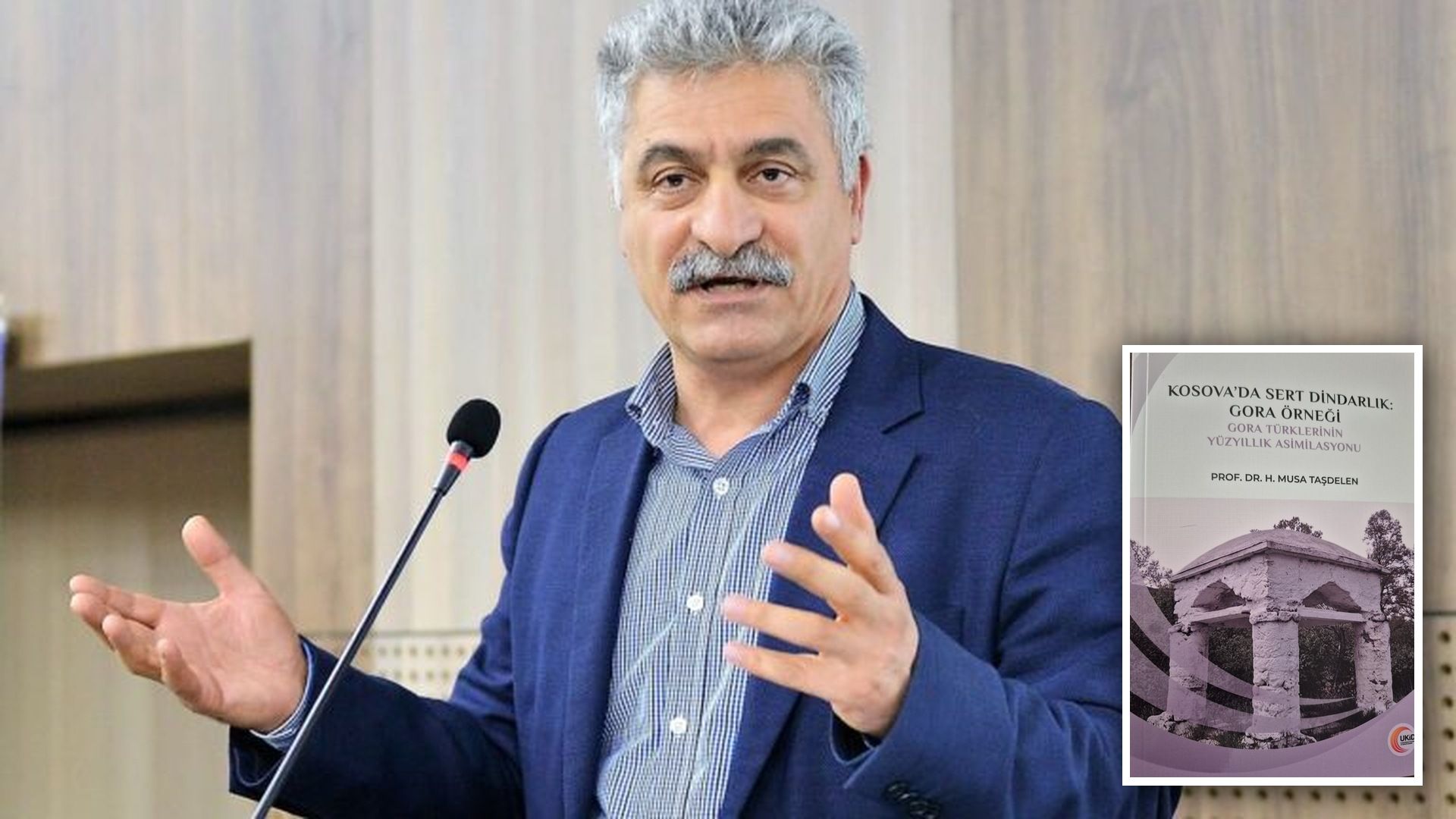
A new book by Prof. Dr. Hacı Musa Taşdelen, a faculty member in the Department of Sociology at Sakarya University, examines religiousness in Kosovo’s Gora region and the approximately century-long assimilation process experienced by Gora Turks.
Prof. Dr. Hacı Musa Taşdelen, a faculty member in the Department of Sociology at Sakarya University, has published a new study focusing on religious life, identity and assimilation in Kosovo’s Gora region.
Titled “Kosovo’da Sert Dindarlık: Gora Örneği – Gora Türklerinin Yüzyıllık Asimilasyonu” (Hard Religiousness in Kosovo: The Case of Gora – A Century of Assimilation of the Gora Turks), the book is based on field research and approaches religiousness in the Gora region from a sociological perspective.
The study identifies three forms of religiousness as a result of the research: hard religiousness, moderate religiousness and ibahism.
Religiousness and assimilation in Gora
One of the central themes of the book is the assimilation process experienced by the Turks of the Gora region over approximately a century.
Taşdelen examines not only the dimensions of this process but also its effects on the community’s understanding of religion and religious practice.
In this respect, the book brings together questions of religion, ethnic identity, assimilation and social change, offering a sociological perspective on one of the lesser-studied Muslim communities of the Balkans.
Sarı Saltık and the spread of Islam in the Balkans
The book’s back-cover text also discusses Sarı Saltık, the 13th-century Turkish dervish associated with the spread of Islam in the Balkans.
According to the book, Sarı Saltık was not included in the empirical study because local people in the Gora region have limited knowledge about him as a historical figure. Nevertheless, the author emphasizes his importance in preparing the social foundations for the spread of Islam in the Balkans.
Drawing on accounts of Sarı Saltık’s life in the Saltıkname and his alleged testament to Osman Gazi, the book associates the religious understanding represented by Sarı Saltık with what Taşdelen calls “moderate religiousness.”
This understanding is described through principles including adherence to the Prophet Muhammad’s Sunnah, justice, caring for the poor, meeting the needs of the population and holding judges and governors accountable.
Who is Prof. Dr. Hacı Musa Taşdelen?
Prof. Dr. Hacı Musa Taşdelen is a sociologist and faculty member at Sakarya University. His academic interests include the sociology of religion and the sociology of migration.
His academic engagement with the Gora region is not limited to his latest book. Taşdelen previously contributed, together with Prof. Dr. Mustafa Kemal Şan and Prof. Dr. İsmail Hira, to “Gora Abidesi,” a work published in 2007 by UKİD Cultural Publications.
Taşdelen has also conducted research on Sarı Saltık and Muslim communities in the Balkans. His work “Bulgaristan, Romanya ve Kırım’daki Müslüman Topluluklarda Sarı Saltık Algısı: Referans Kişilik Olarak Bir Kolonizatör Türk Dervişi” (Perceptions of Sarı Saltık among Muslim Communities in Bulgaria, Romania and Crimea: A Colonizing Turkish Dervish as a Reference Figure) was published by UKİD Publications in 2015.
UKİD’s focus on the Balkans
The publisher of the new book, UKİD Publications, has a particular focus on the Balkans, Turkish history and culture, and the historical heritage of Turkish and Muslim communities in the region.
The publishing house has previously released works concerning Sarı Saltık, the Saltıkname, Balkan Turkish history and the cultural heritage of Muslim communities in southeastern Europe.
In this context, Hard Religiousness in Kosovo: The Case of Gora – A Century of Assimilation of the Gora Turks represents a continuation of UKİD’s interest in the Balkans, while bringing the region into focus through contemporary sociological field research.