Turkish truckers urge EU to ease Schengen stay limits
Türkiye’s road transport sector is urging the European Union to ease Schengen stay restrictions for Turkish truck drivers, warning that current rules disrupt cross-border deliveries, weaken supply chains and aggravate Europe’s shortage of professional drivers, according to Anadolu Agency (AA).
Serafettin Aras, chairman of the International Transporters Association (UND), has called for a common EU-wide regulation allowing professional drivers to work without being restricted by the Schengen Area’s 90-day stay limit within any 180-day period.
Aras pointed to the European Commission’s Visa Strategy, dated Jan. 29, 2026, which acknowledges that truck drivers may need to remain in the bloc for longer than 90 days and identifies the need for possible legal solutions.
“Now enact the legislation,” Aras urged, calling for a common framework that reflects the operational demands of international road transport.
Expanding Schengen area adds pressure
The Schengen Area has expanded from seven countries when the system began in 1995 to 29 countries today, covering approximately 4.5 million square kilometres, according to Aras.
However, the stay restrictions remain a major obstacle for Turkish drivers. Time spent in Bulgaria and Romania also counts towards the same allowance, further limiting the time available for transport operations across Europe.
Drivers can use up their permitted days while loading cargo, waiting to unload or taking mandatory rest breaks. Once the limit is reached, they may be prevented from undertaking another journey, even when vehicles are ready and European customers are waiting for deliveries.
“You cannot expect a driver turned away at the border to deliver the cargo,” Aras said, according to AA.
Trade worth €217.6 billion at stake
The dispute affects a major commercial relationship between Türkiye and the EU, which are important trading partners.
Bilateral trade in goods reached €217.6 billion in 2025, according to figures cited by Aras. EU countries accounted for 42.7% of Türkiye’s exports.
The bloc exported €114.3 billion worth of goods to Türkiye during the year and imported €103.3 billion worth from the country.
Aras argued that restricting drivers’ mobility undermines supply chains connecting manufacturers and businesses on both sides.
European companies operate production facilities in Türkiye, while Turkish transport operators purchase trucks from European manufacturers, including Mercedes-Benz, MAN, DAF, Volvo, Scania, Renault Trucks and IVECO.
“You cannot free the movement of goods covered by the Customs Union and stop the drivers carrying them,” he said.
Europe faces 502,000 truck driver vacancies
The industry’s concerns come as European transport companies struggle to recruit enough professional drivers.
A 2025 survey by the International Road Transport Union (IRU) estimated that Europe had approximately 502,000 unfilled truck driver positions. Around two-thirds of European transport operators had turned down new contracts because of a lack of available drivers, Aras said.
He warned that preventing Turkish drivers from entering Europe after they exhaust their permitted stay further reduces transport capacity and puts additional pressure on supply chains.
Aras also recalled the role of truck drivers in keeping essential goods, including food and medical supplies, moving during the COVID-19 pandemic. At the time, the European Commission proposed “green lanes” to maintain freight flows and called for smoother movement for transport workers.
Industry calls for new rules and faster border crossings
The UND is seeking faster access to long-term, multiple-entry visas and stay arrangements that reflect the realities of professional international driving.
It also wants entry bans affecting drivers who have exhausted their permitted stay to be lifted, allowing them to resume work on European routes.
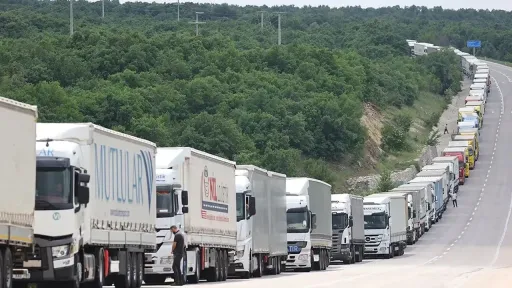
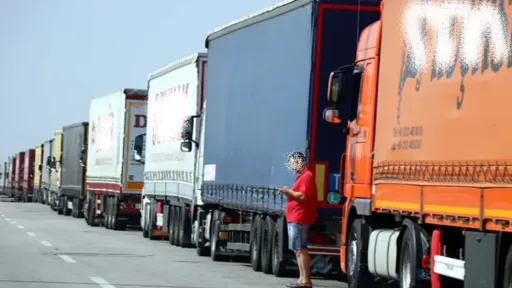
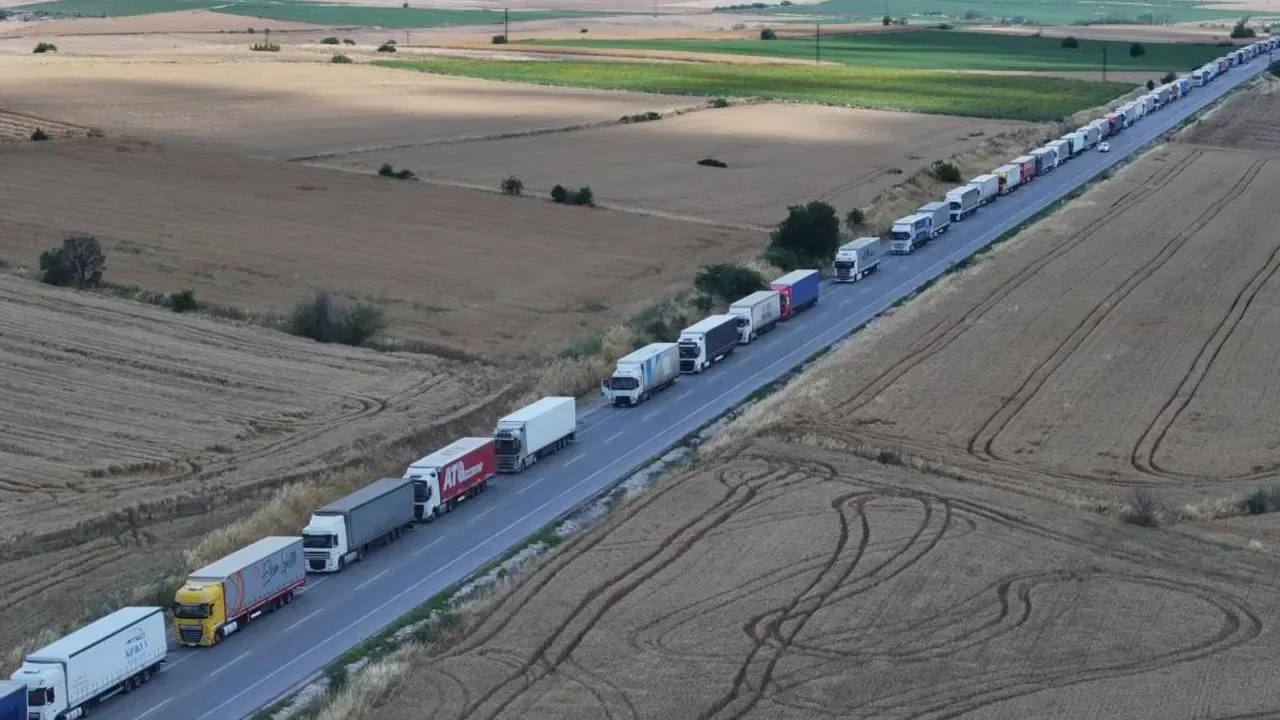
In addition, Aras called for increased capacity at Bulgarian and Greek border crossings, where queues can stretch for kilometres and leave drivers waiting for days.
He urged European authorities to turn the European Commission’s recognition of the issue into legislation applicable across the Schengen Area, with a clear timetable for implementation.
“Do not wait for another crisis to recognize the importance of drivers,” Aras said, calling for action to prevent further disruption to European transport and trade.
Source: Anadolu Agency (AA)